
by Dorian Reunkrilerk //
(English version below) //
Après Krabi (2018), Korat (2021) et Chiang Rai (2023), la Biennale de Thaïlande poursuit son itinérance pour sa quatrième édition sur l’île de Phuket. Placée sous la direction curatoriale de l’artiste thaïlandais Arin Rungjang et des commissaires David Teh, Hera Chan et Marisa Phandharakrajadej, cette édition s’intitule « Eternal [Kalpa] ». À travers ce thème, la biennale invite à une réflexion sur la continuité, l’histoire et notre rapport aux écosystèmes, loin de l’immédiateté de la consommation touristique.
Le parcours se déploie à travers une vingtaine de sites, et présente plus d’une soixantaine d’artistes faisant dialoguer leurs œuvres avec la mémoire et les tensions de ce territoire. Cette biennale se manifeste également par des « Salas » (pavillons) et des projets parallèles qui visent à ancrer l’art dans le quotidien des habitants et à proposer d’autres manières de partager le temps.
Visiter la Biennale de Thaïlande à Phuket, c’est d’abord accepter de perdre ses repères de visiteur de passage. Sous ce titre « Eternal [Kalpa] », l’événement s’ancre dans une réflexion sur le « temps long » : celui des cycles, des répétitions et d’une continuité qui dépasse l’échelle humaine. Le terme Kalpa, issu de la cosmologie hindouiste et bouddhiste, désigne une unité de temps cyclique immense, l’équivalent d’une « journée de Brahma » ou de la durée de vie d’un univers. Cette intuition initiale a progressivement été développée pour devenir un véritable cadre d’interprétation à partir de quatre grands thèmes : l’histoire, envisagée à travers les strates de mémoire et d’héritage ; le trans, entendu comme transformation et passage entre états, les cultures et les identités ; l’environnement, comme relation dynamique entre humains et milieux ; et enfin l’amour du monde, qui engage des formes d’attention, de soin et d’attachement. Proposées aux artistes, ces dimensions fonctionnent comme des points d’appui, ouvrant un espace d’interprétation où chaque pratique se déploie en écho.
L’origine du thème « Eternal [Kalpa] » trouve aussi sa source dans la chanson “Chua Niran” de Suthep Wongkamhaeng. Dans ses paroles, l’amour est décrit comme un lien indéfectible, inscrit dans des images naturelles — le soleil et le ciel, l’eau et les poissons, la terre et les montagnes — qui évoquent toutes une forme de continuité et d’appartenance. Cette métaphore d’un amour éternel, cyclique et inaltérable fait écho à l’idée d’un temps qui ne se rompt pas, mais se rejoue sans cesse, à l’image des mouvements du soleil observables depuis Phromthep Cape. Elle prolonge ainsi la réflexion curatoriale sur les cycles de vie et les formes de persistance.
Loin des circuits balisés, la Biennale investit alors des bâtiments qui semblent « hors du temps », mais seulement à première vue. Ici les œuvres se chargent des lieux, eux-mêmes chargés de traces et de tensions parfois difficiles à nommer. En franchissant le seuil de ces espaces, on quitte le « temps touristique » pour entrer dans une temporalité autre, à rebours des représentations habituelles de Phuket. Le parcours, soutenu par une équipe de médiation particulièrement engagée et accessible, invite ainsi à explorer ces lieux moins visibles, à prêter attention à ce qui fait la profondeur du territoire. Le passé de ces lieux vient alors dialoguer avec des préoccupations très contemporaines comme la fragilité des écosystèmes, notamment celle des récifs coraliens, la résilience face aux catastrophes et la protection de la diversité culturelle.
A partir des œuvres elles-mêmes, la biennale produit une forme d’attention généralisée : attention portée au territoire, aux histoires locales, aux communautés, nous laissant ainsi entrer dans une histoire complexe, une relation nouvelle avec ce territoire.
Accéder au « Thailand Biennale Phuket 2025 Guide Book »
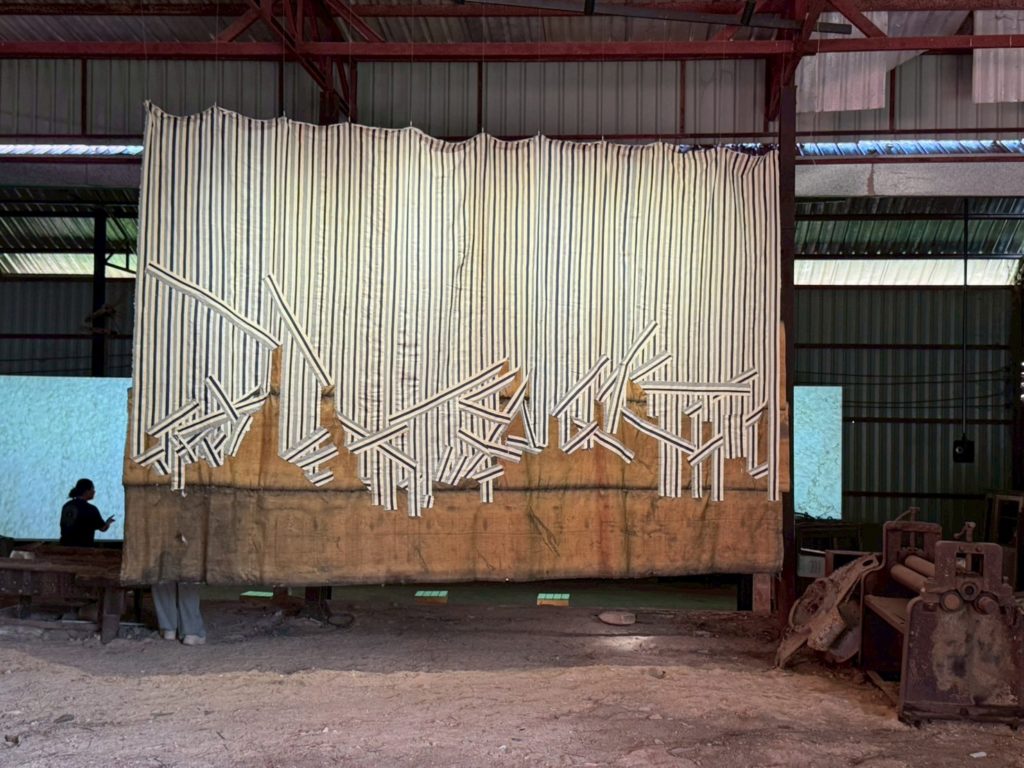
Ibrahim Mahama, Freshwater, 2024–2025, Stay with me, 2024–2025, Sweet medicine, 2024–2025 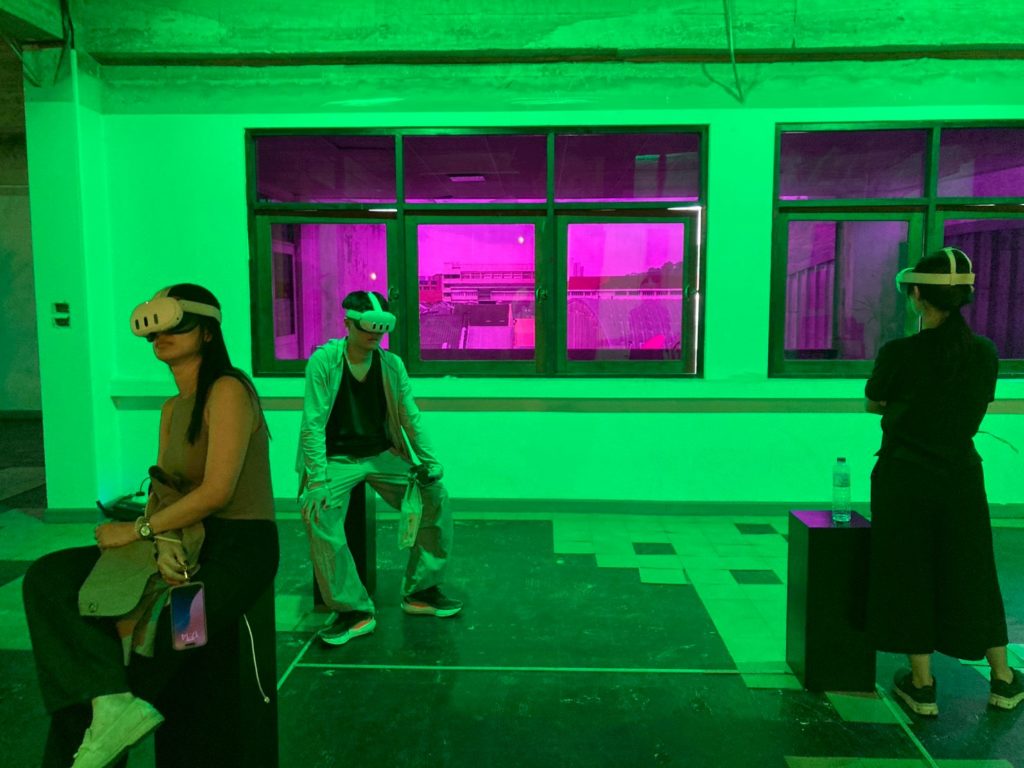
Kamol Phaosavasdi, And then there comes a different kind of Nothing, 2025, commissioned by Thailand Biennale 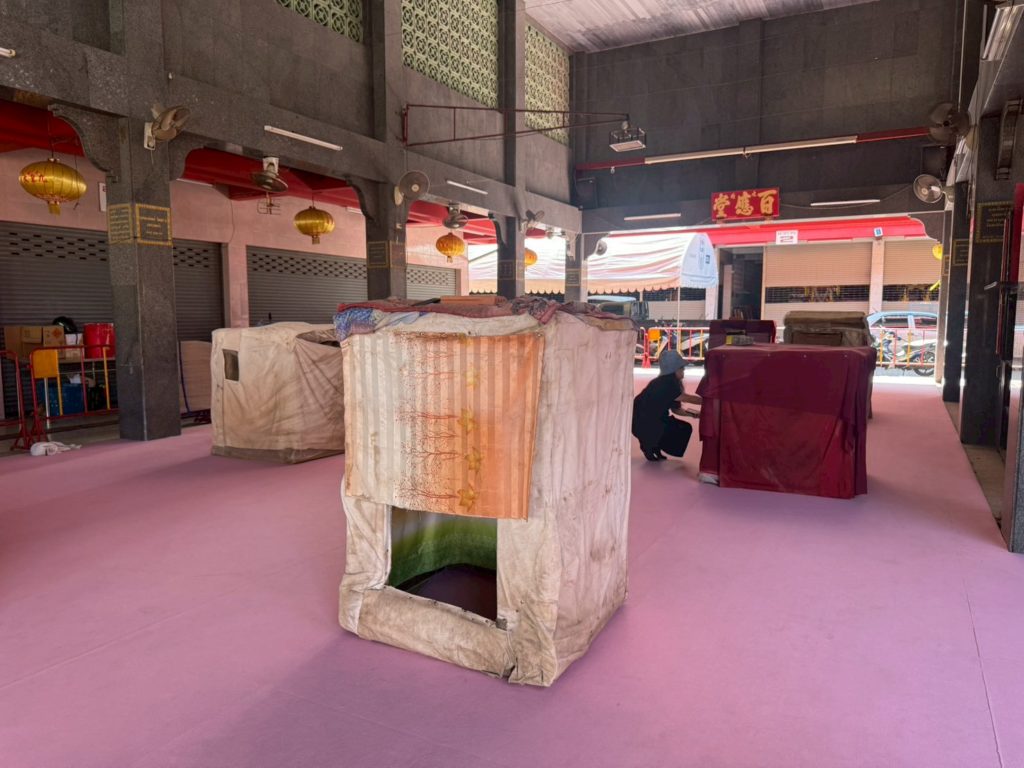
Zhao Yao, Signals from Heaven series, 2018-2019, all courtesy of the artist and Ota Fine Arts 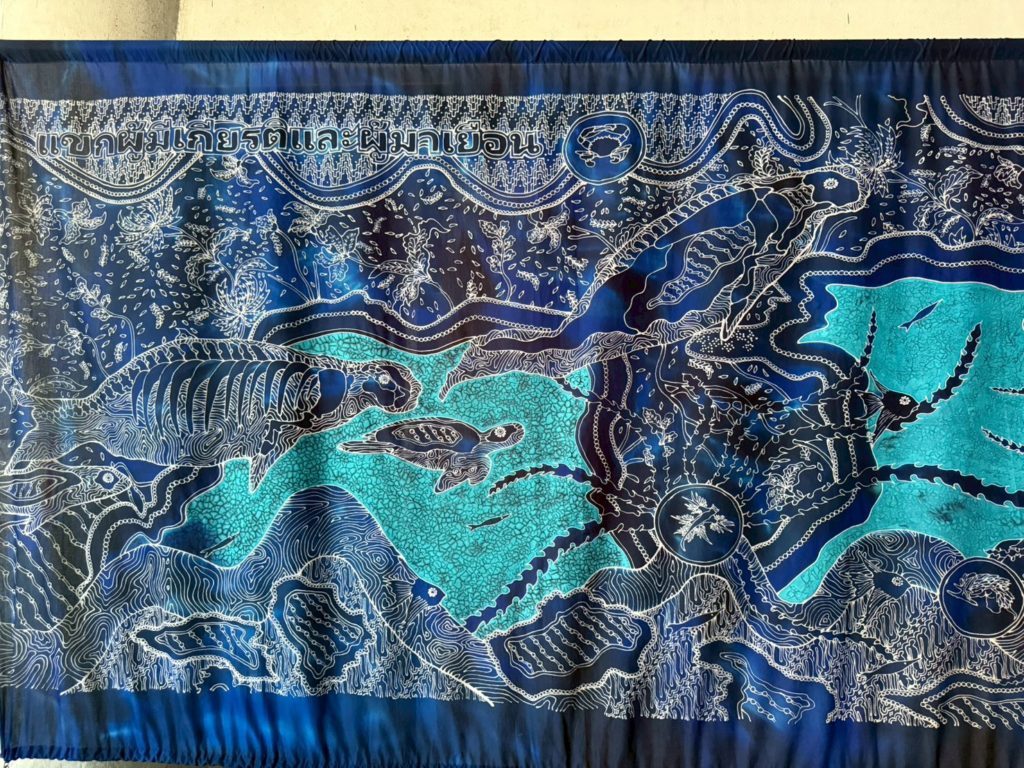
Zheng Mahler, Seagrass Kra Chang, 2025, commissioned by Thailand Biennale 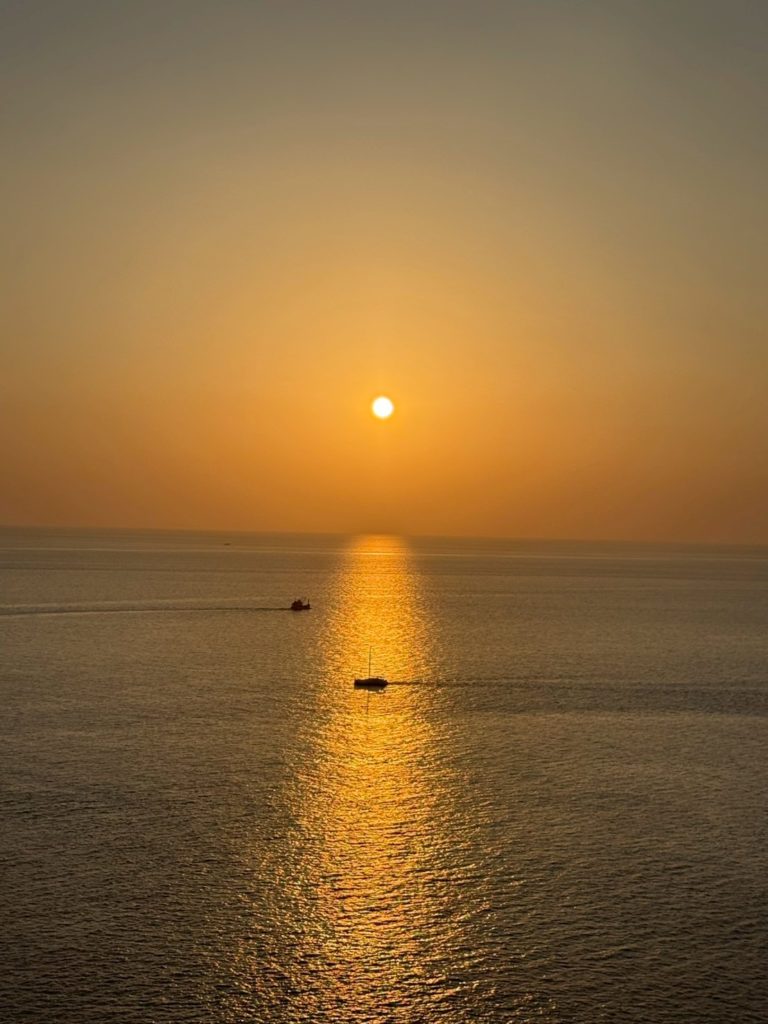
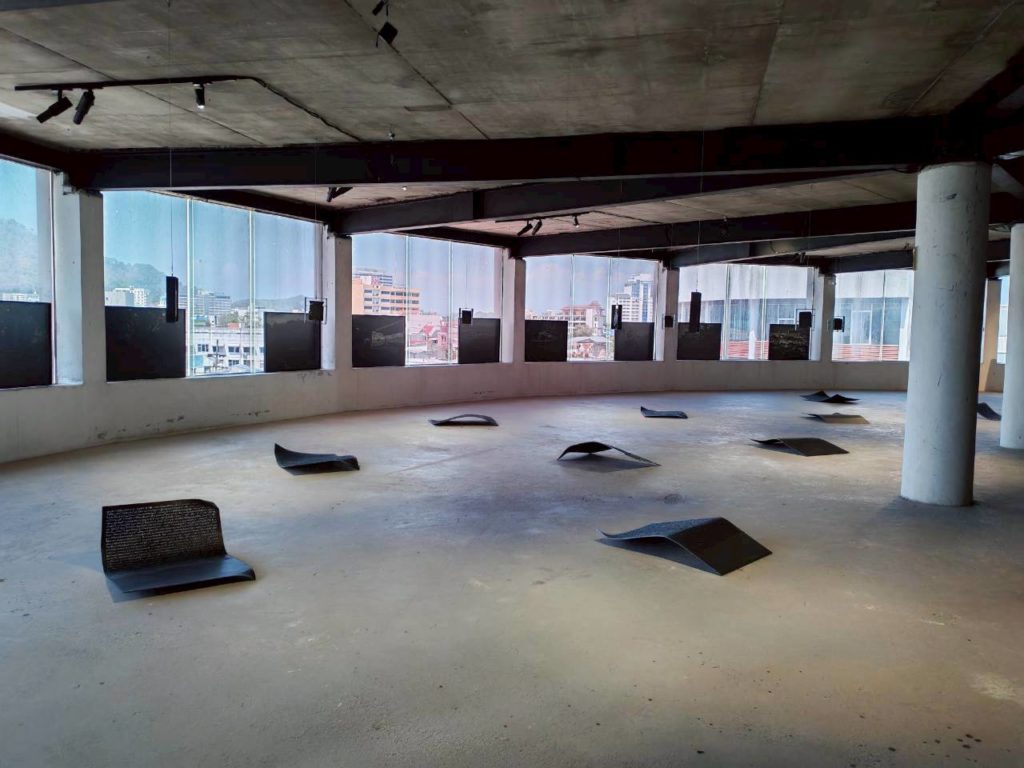
Lek Kiatsirikajorn, The Weight of Tin Ore, 2025, commissioned by Thailand Biennale 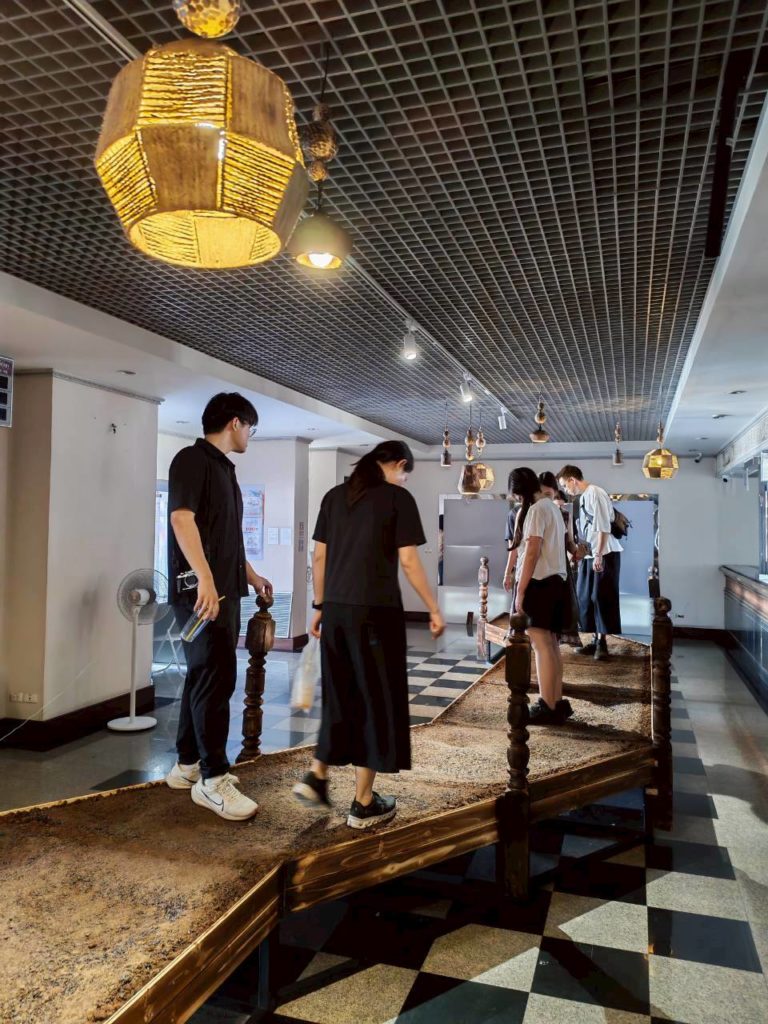
Woraphob Tantinantakul, A Path No Longer Smooth, 2025, commissioned by Thailand Biennale 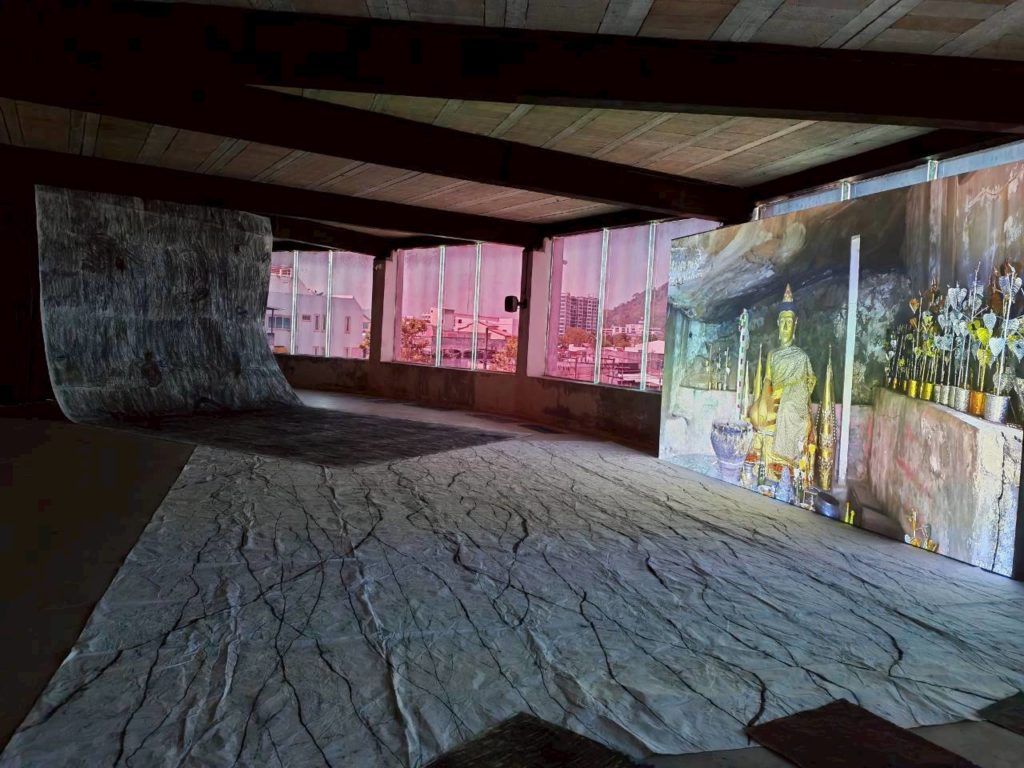
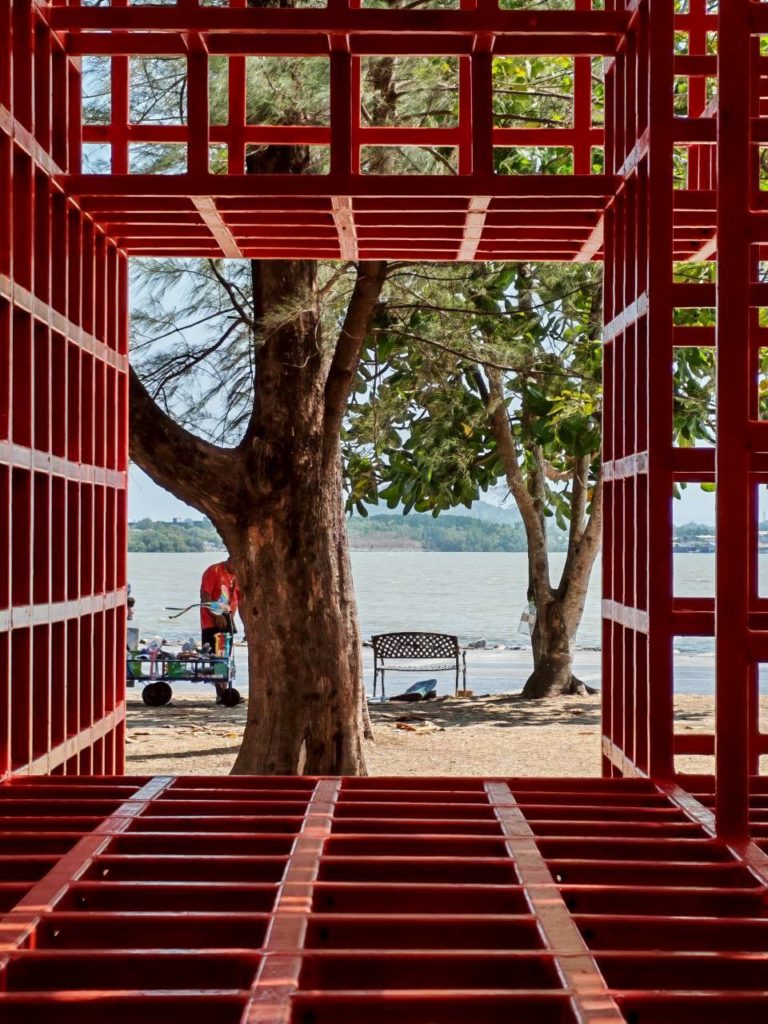
Pitupong Chaowakul, The Labyrinth #2, 2025, commissioned by Thailand Biennale with support from The Merlin Phuket Hotel&Resorts 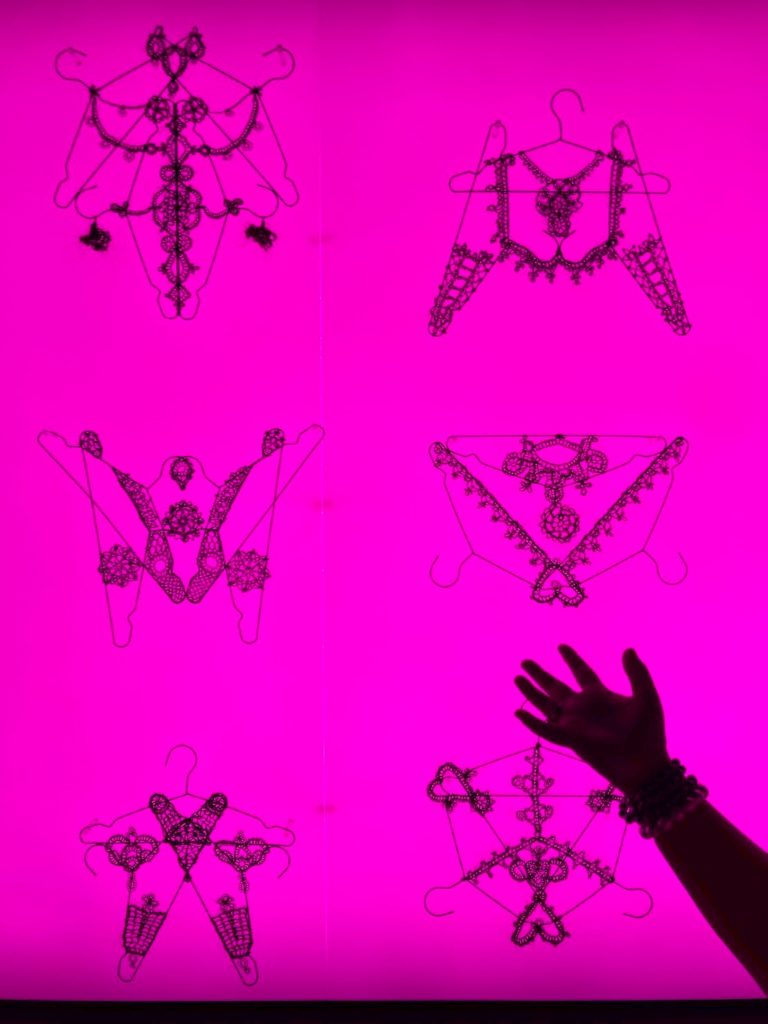
Imhathai Suwatthanasilp, Foxy Diva Hot Pink Lacegina Queen, 2025, commissioned by Thailand Biennale 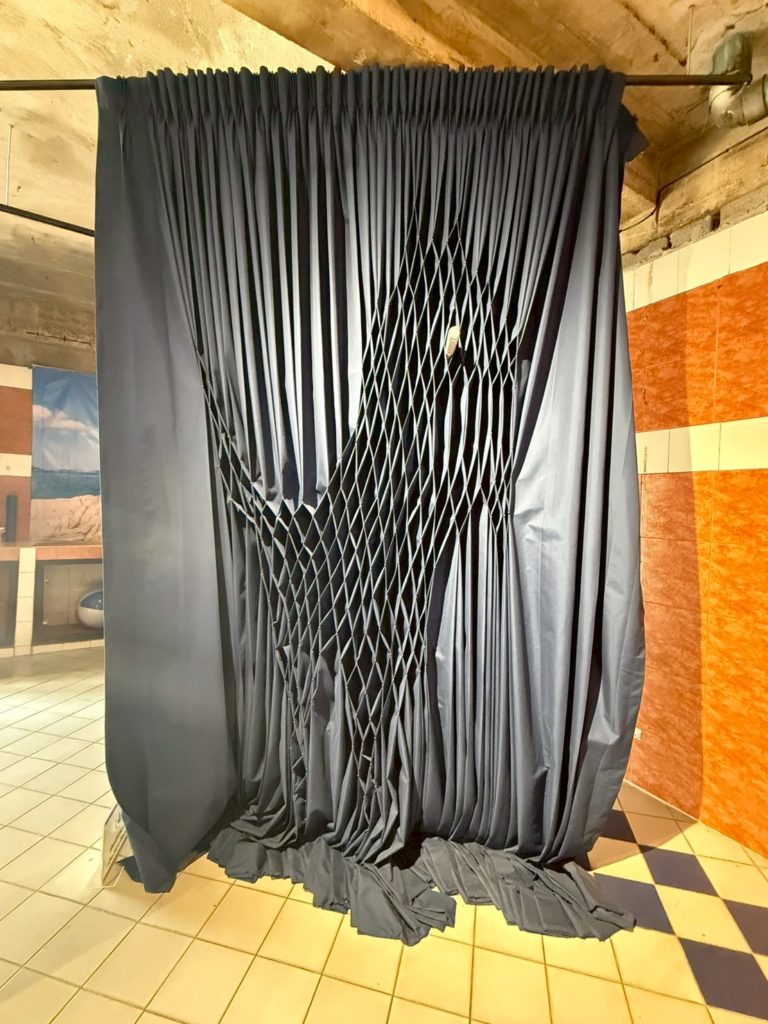
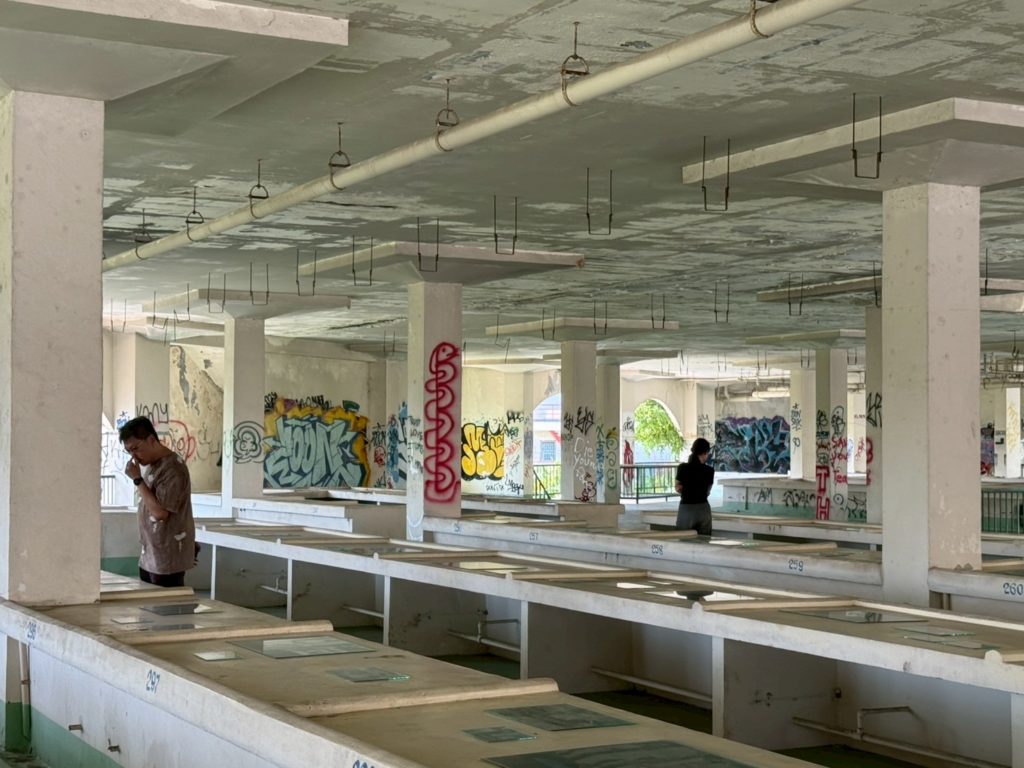
Pratchaya Phinthong, water~copy ~air~streak, 2025, commissioned by Thailand Biennale 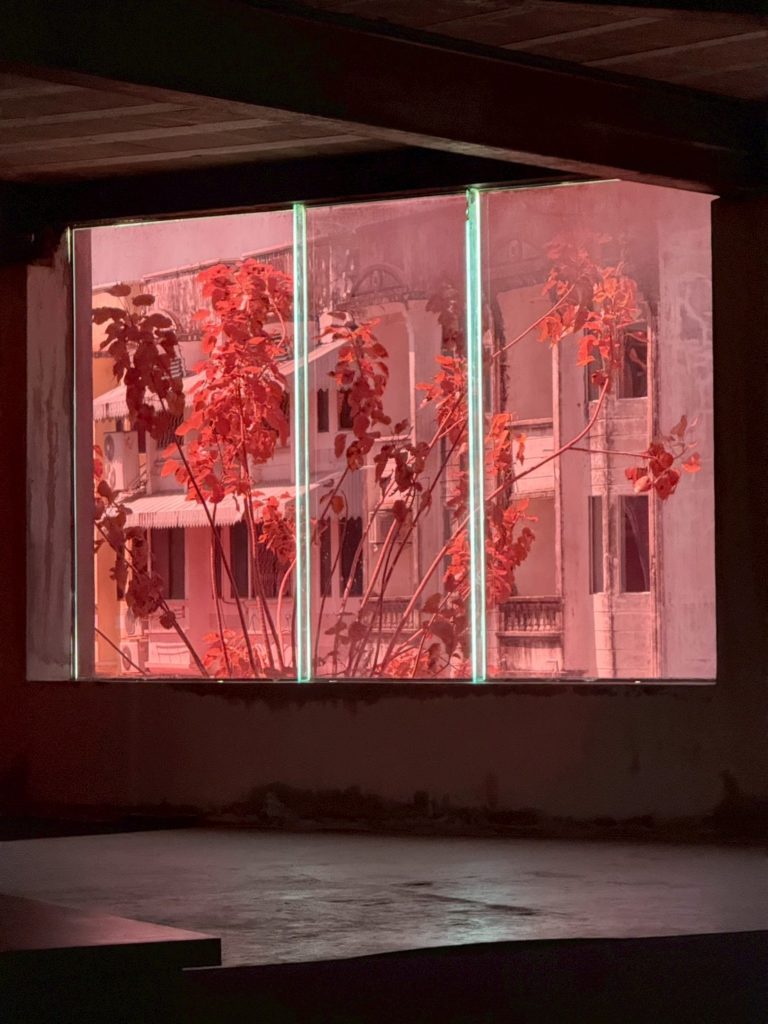
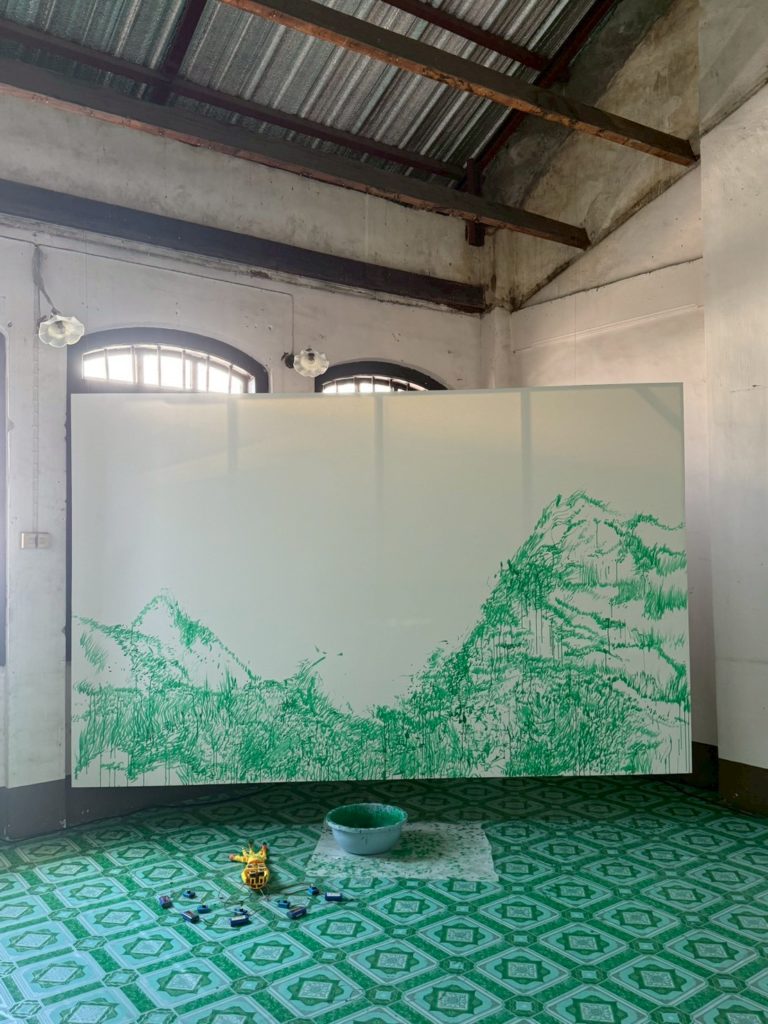
Wilawan Wiangthong, Titani, 2025, commissioned by Thailand Biennale 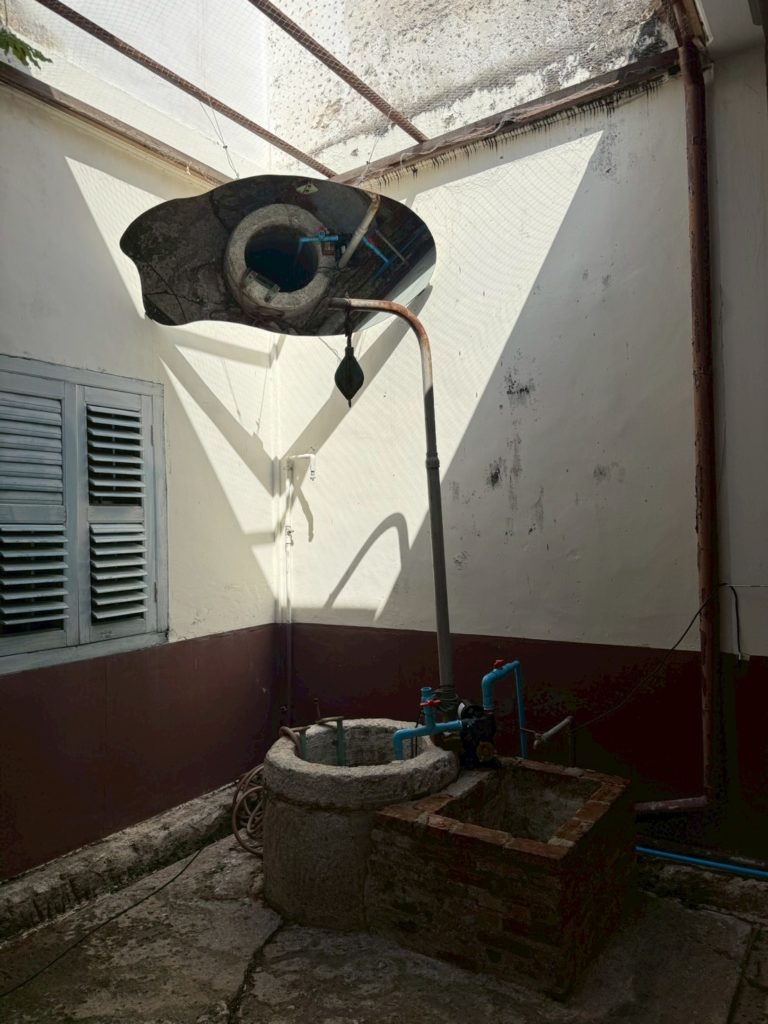
Araya Rasdjarmrearnsook, An Artist Is Trying to Return to Being a Writer, 2017 and Buoyancy series, 2025, commissioned by MAIIAM Contemporary Art Museum, Jameel Art Center, and Thailand Biennale 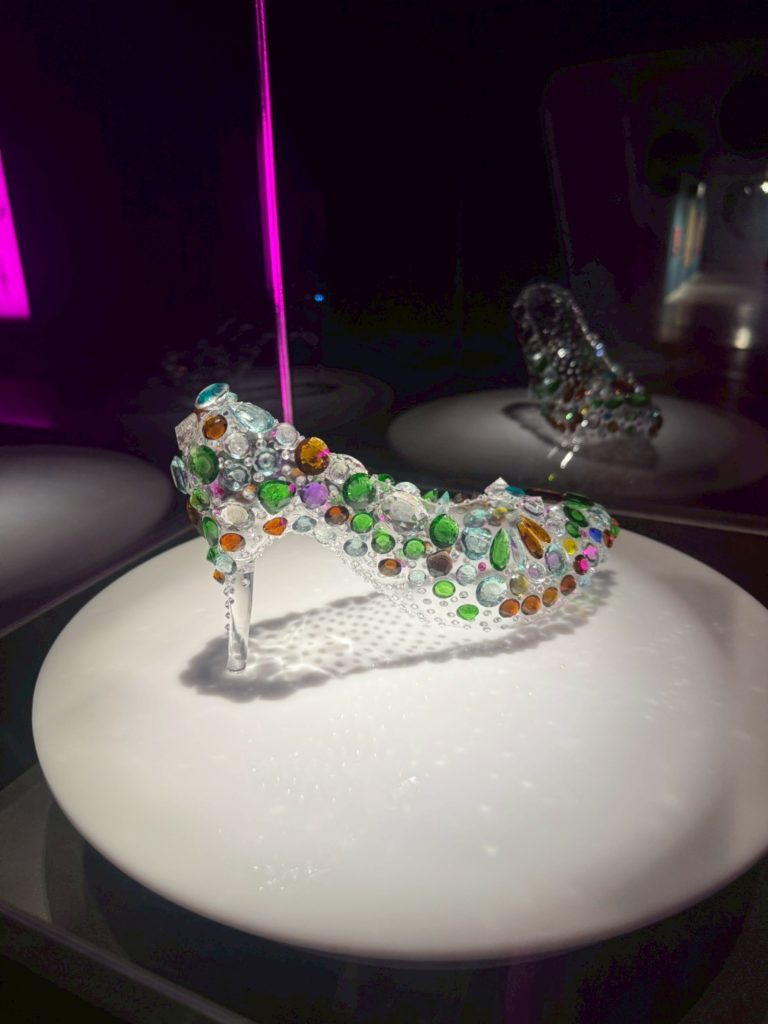
Imhathai Suwatthanasilp, Ella Petchara Dazzling Miracle Heel, 2025, commissioned by Thailand Biennale 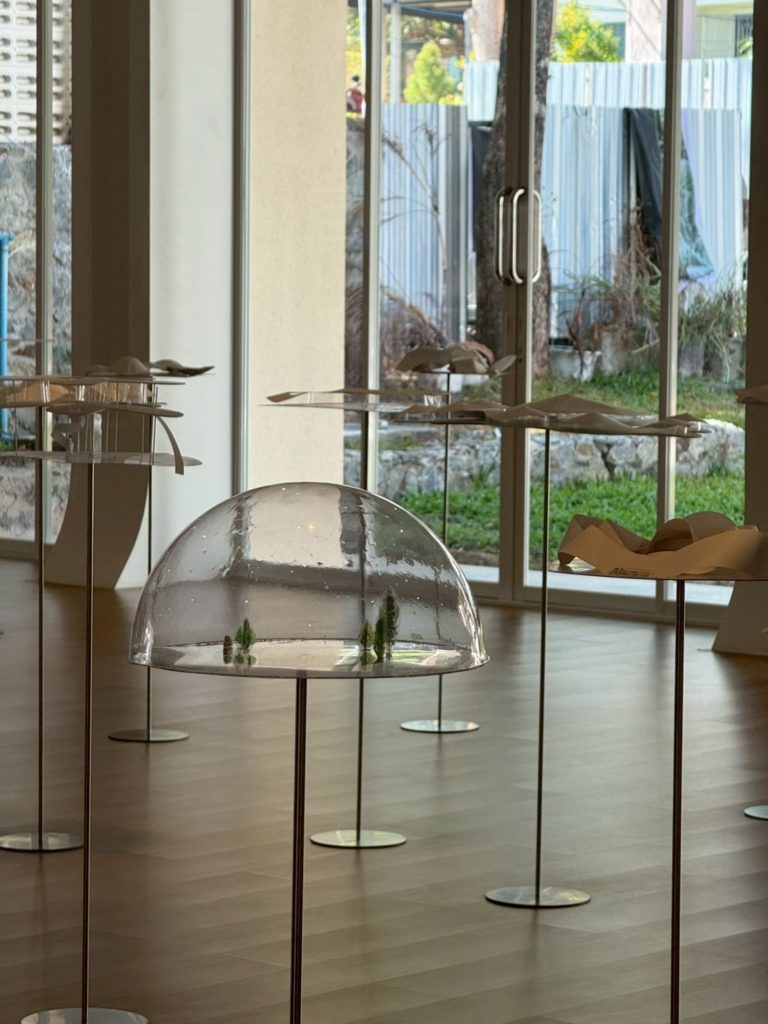
Ryue Nishizawa, A Library for Children, 2025, commissioned by Thailand Biennale 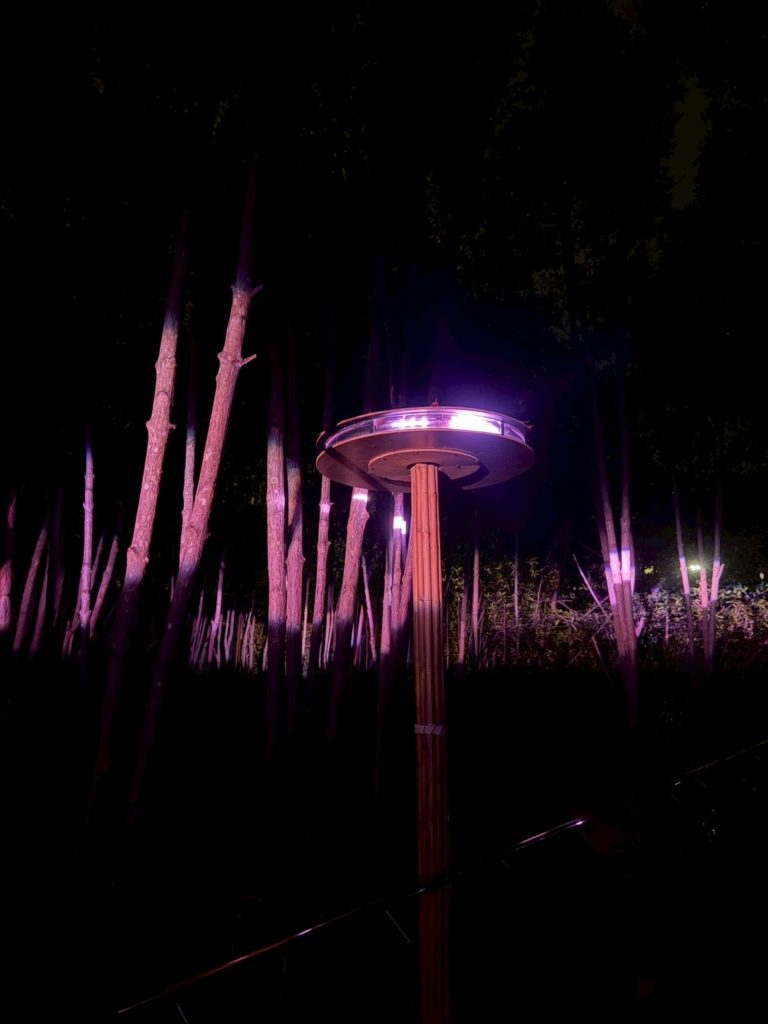
Eiji Sumi, Whisper of the Forest, 2025, commissioned by Thailand Biennale with partial support from National Center for Art Research, Japan 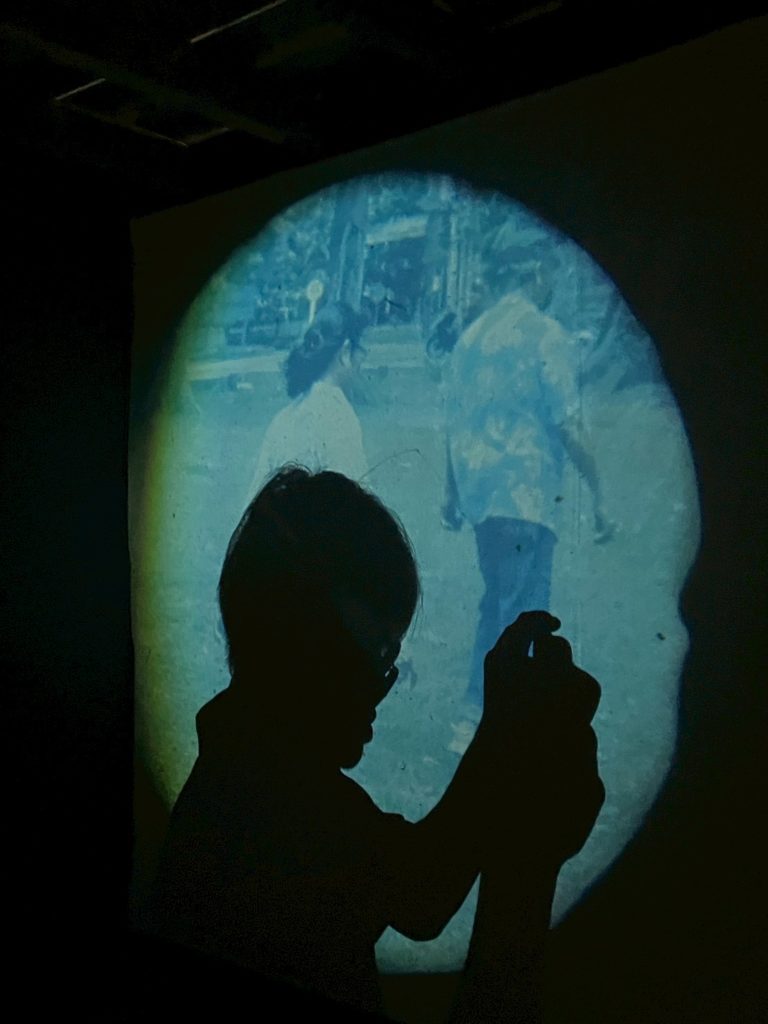
Taloi Havini, Habitat, 2018-19, commissioned by the Queensland Art Gallery as part of the 9th Asia Pacific Triennial, Women’s Wealth project and exhibition, supported by The Australia Council for the Arts 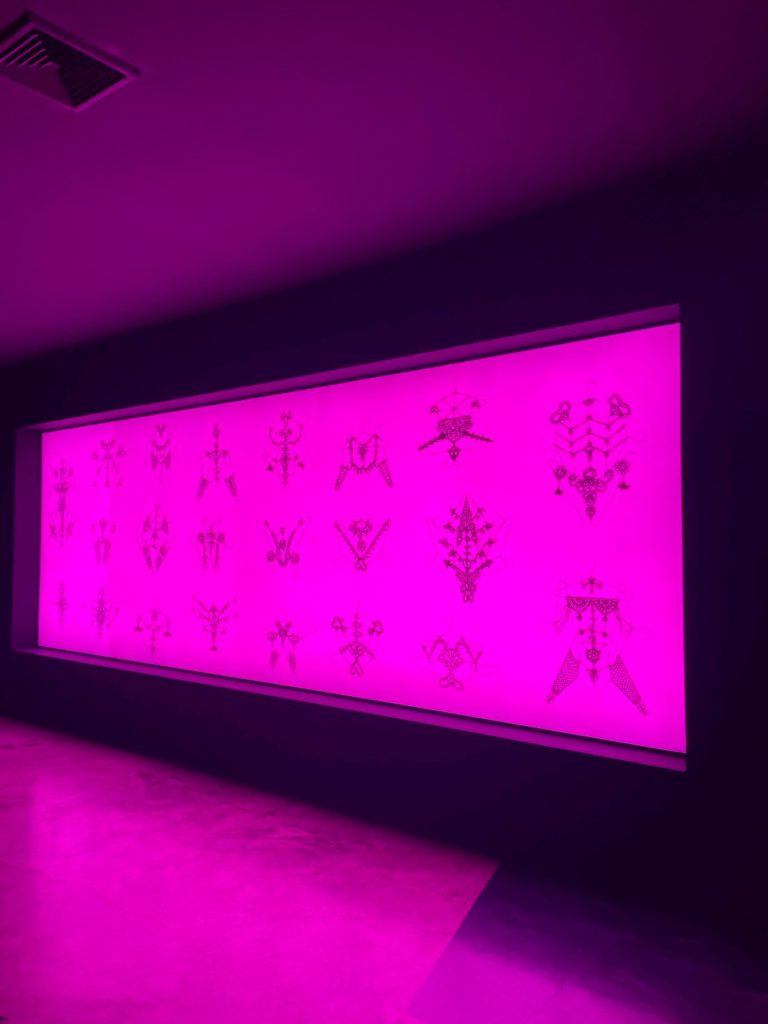
Imhathai Suwatthanasilp, Foxy Diva Hot Pink Lacegina Queen, 2025, commissioned by Thailand Biennale 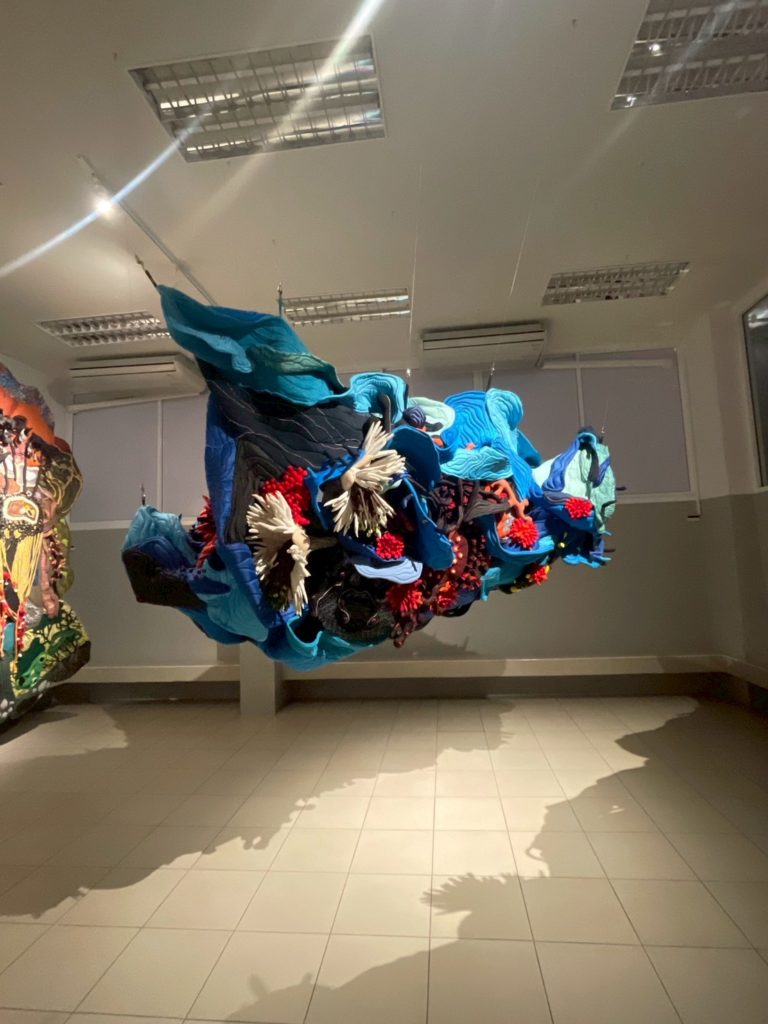
Yim Maline, Curved Blue, 2025 Wave Barrier, 2025 Surface, 2025 New City, 2025 Refuge, 2025, commissioned by Thailand Biennale 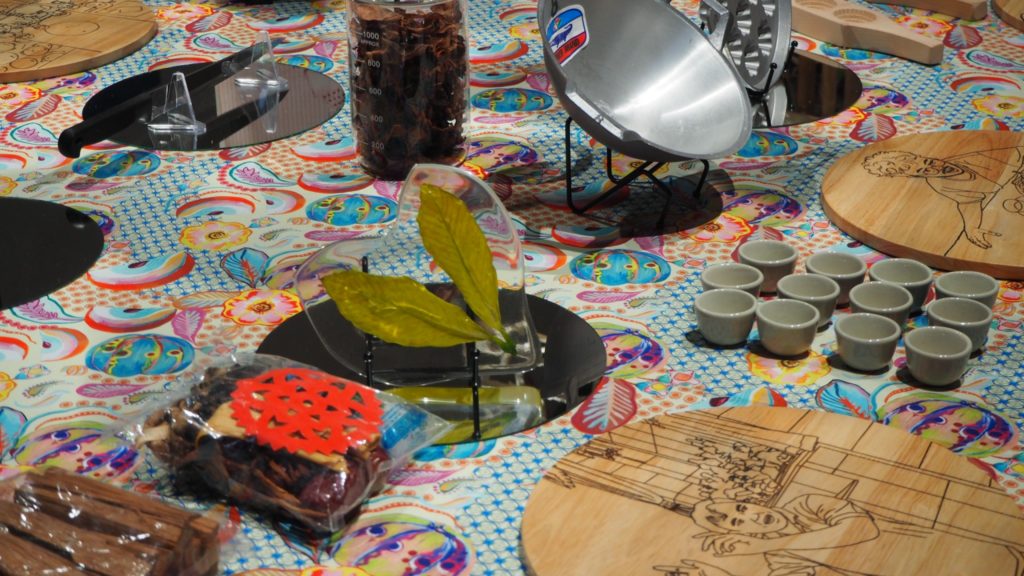
Supitcha Tovivich, The Flavour Code: Objects of Taste, 2025, commissioned by Thailand Biennale 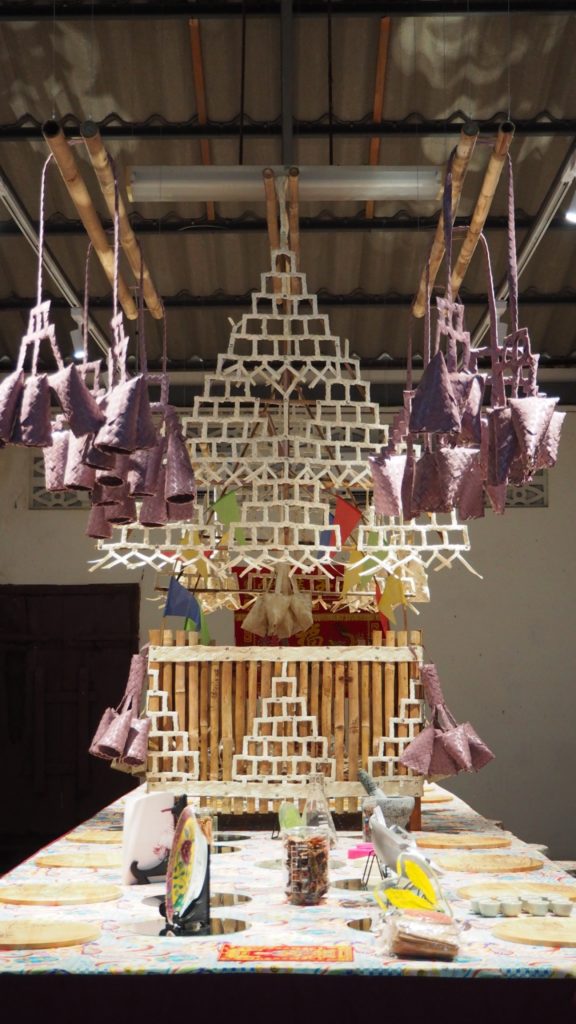
Supitcha Tovivich, The Flavour Code: Objects of Taste, 2025, commissioned by Thailand Biennale 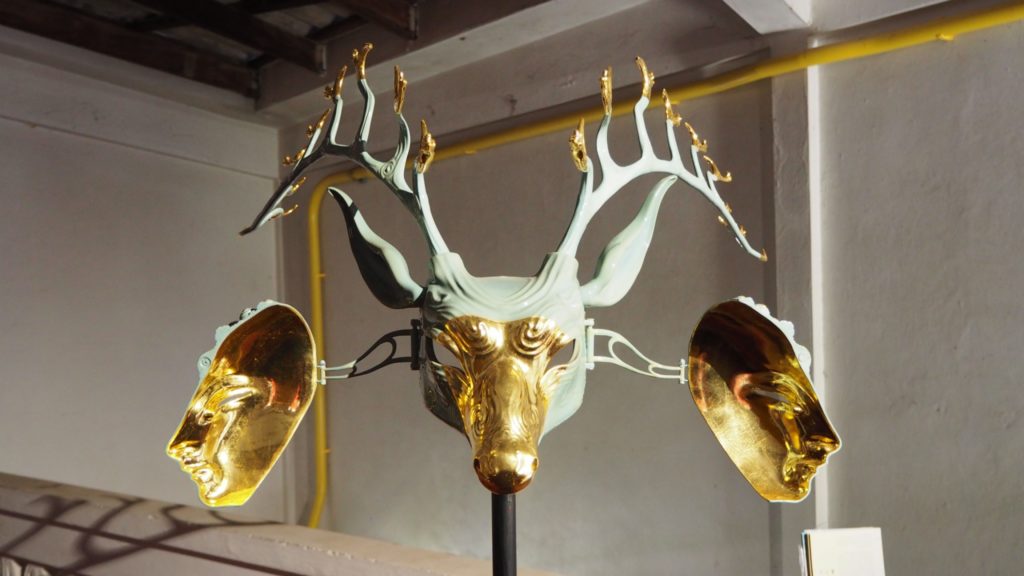
Andrew Thomas Huang, The Deer of Nine Colors, 2025, commissioned by Thailand Biennale with partial support from Onassis ONX 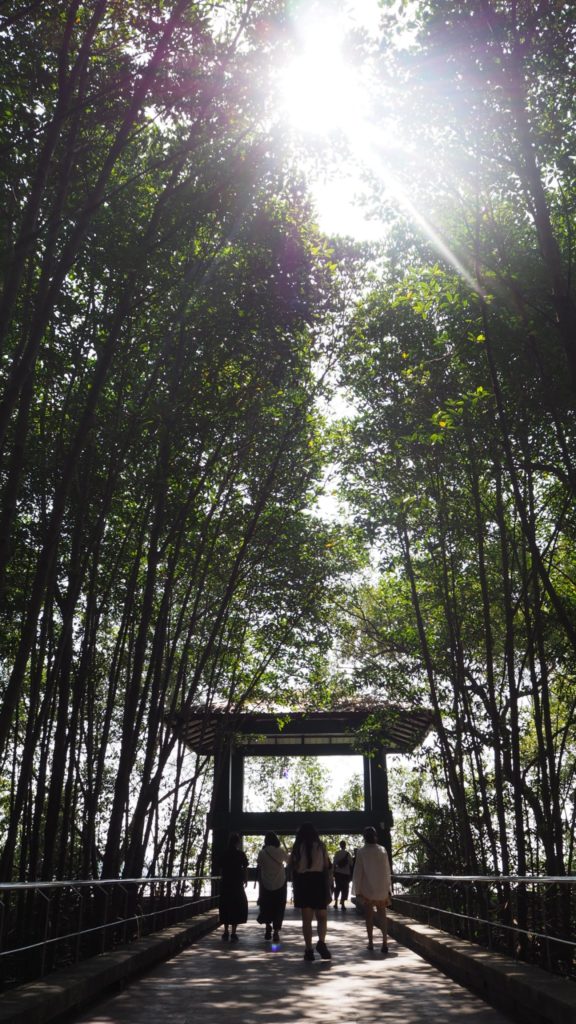
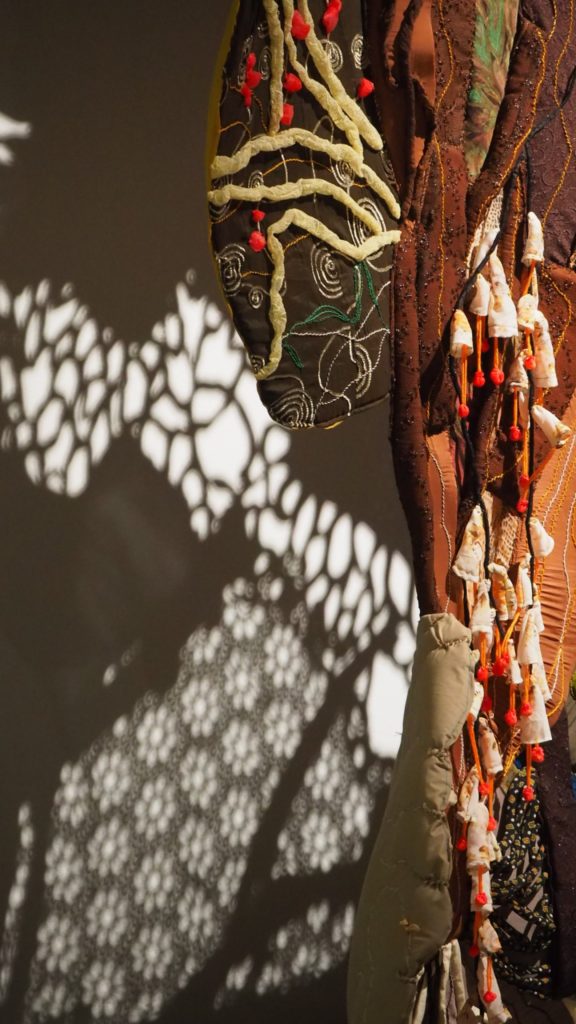
Yim Maline, Curved Blue, 2025 Wave Barrier, 2025 Surface, 2025 New City, 2025 Refuge, 2025, commissioned by Thailand Biennale 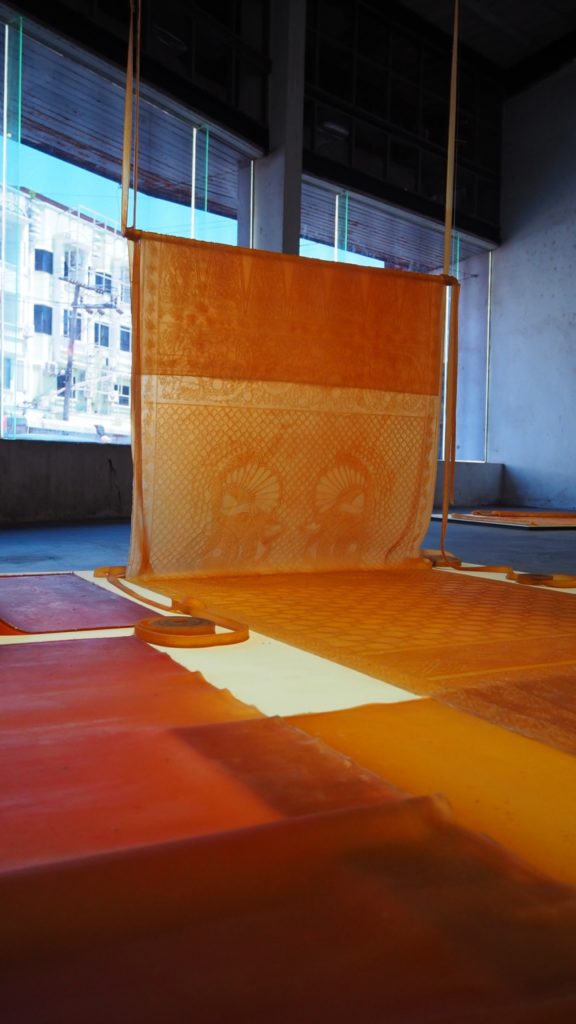
Rossella Biscotti, RUBBER WORKS Princess of Kasiruta, 2019 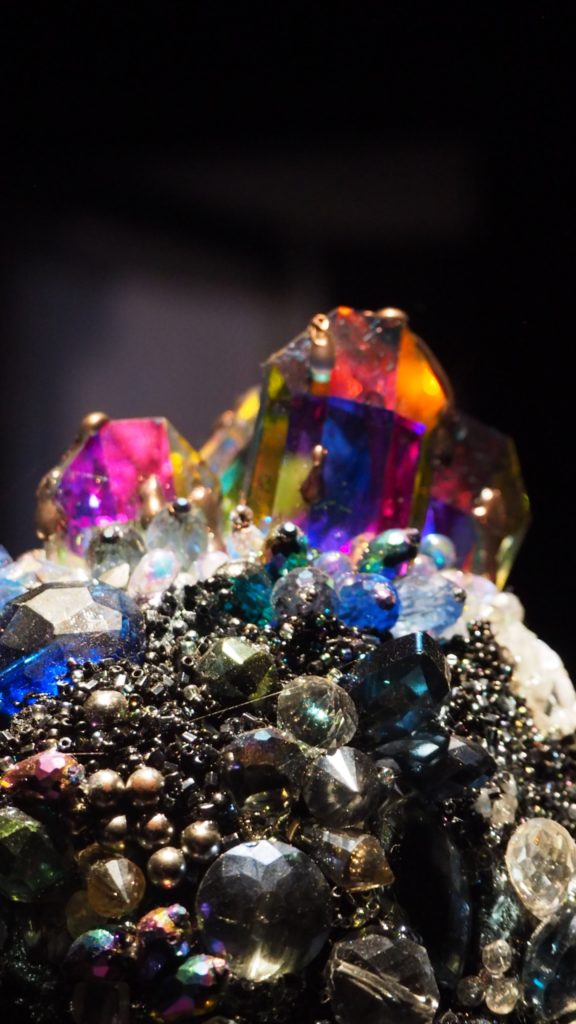
Kite, Mázatke (Heavy Metal), 2025, commissioned by Thailand Biennale 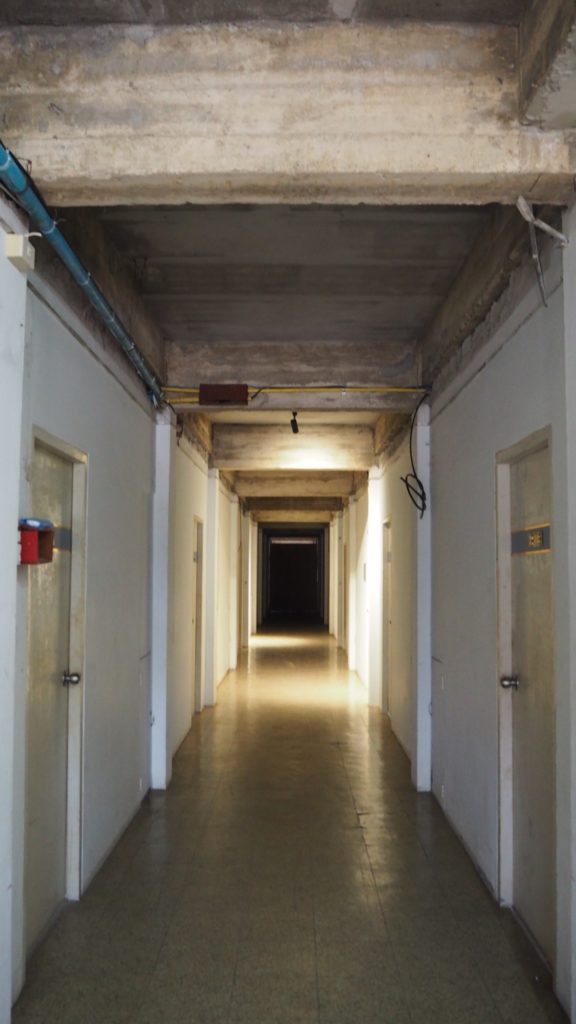
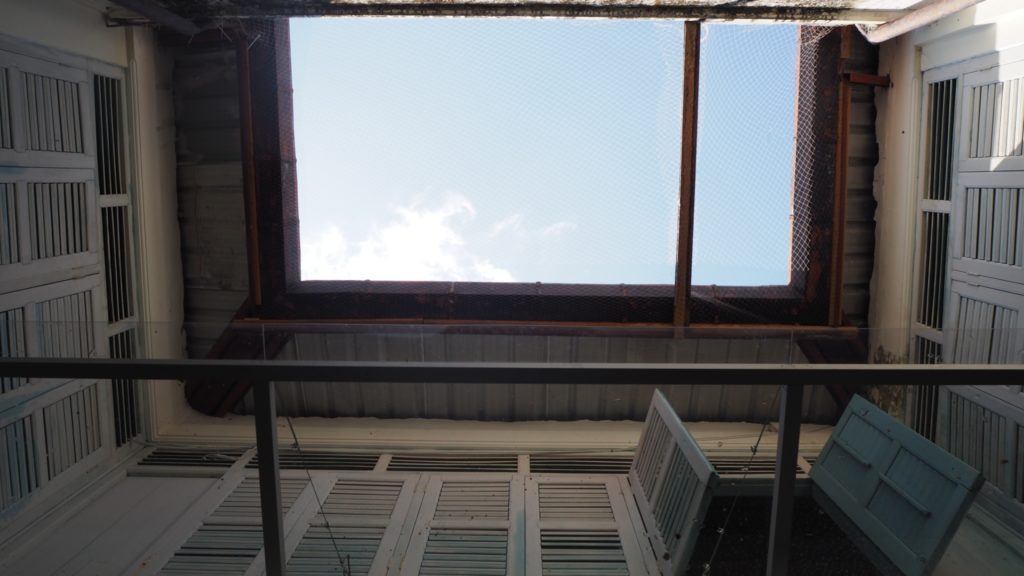
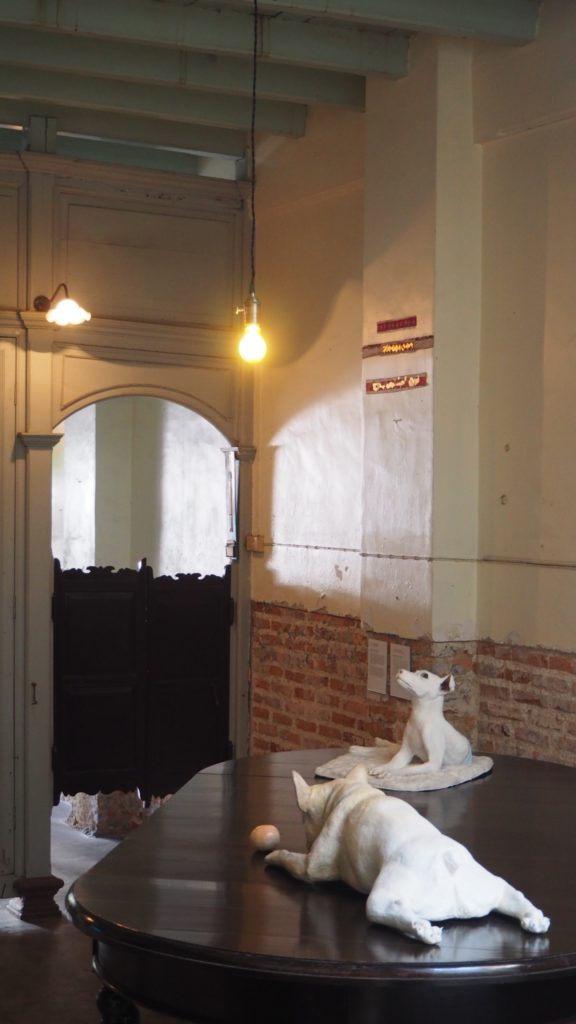
Araya Rasdjarmrearnsook, An Artist Is Trying to Return to Being a Writer, 2017 and Buoyancy series, 2025, commissioned by MAIIAM Contemporary Art Museum, Jameel Art Center, and Thailand Biennale 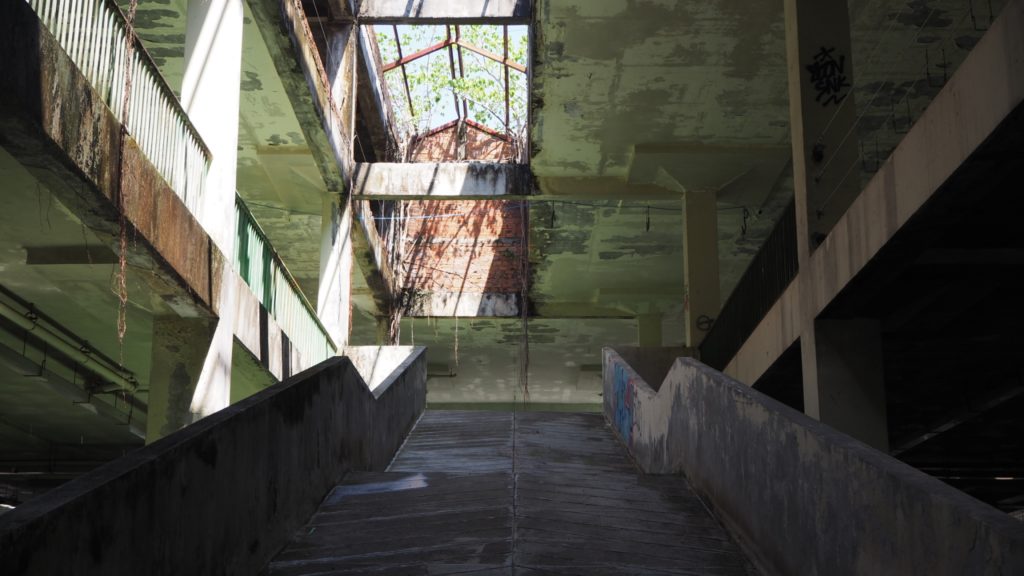
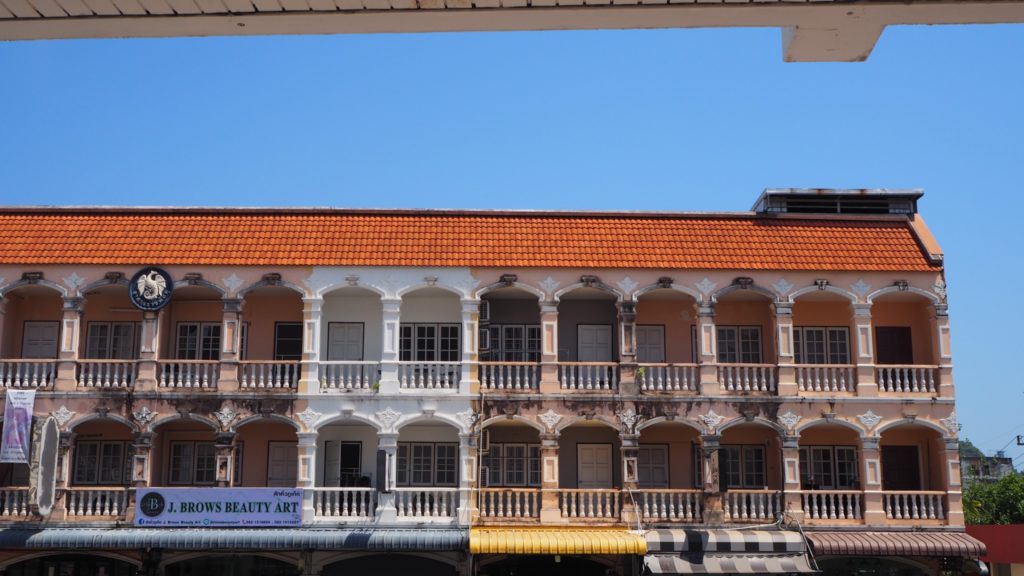
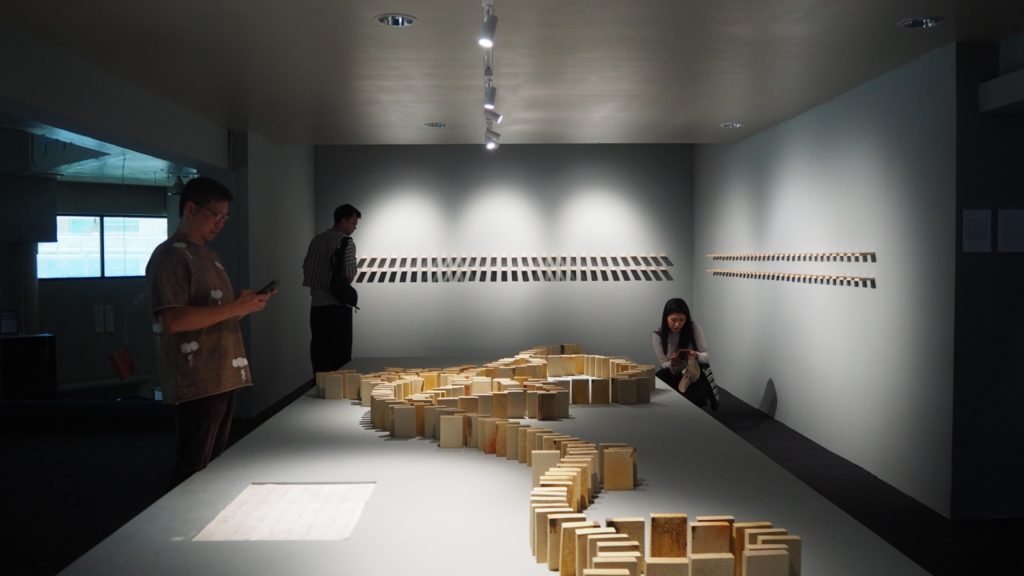
Santi Lawrachawee, PHUKET NICE TO MEET YOU, 2025, commissioned by Thailand Biennale 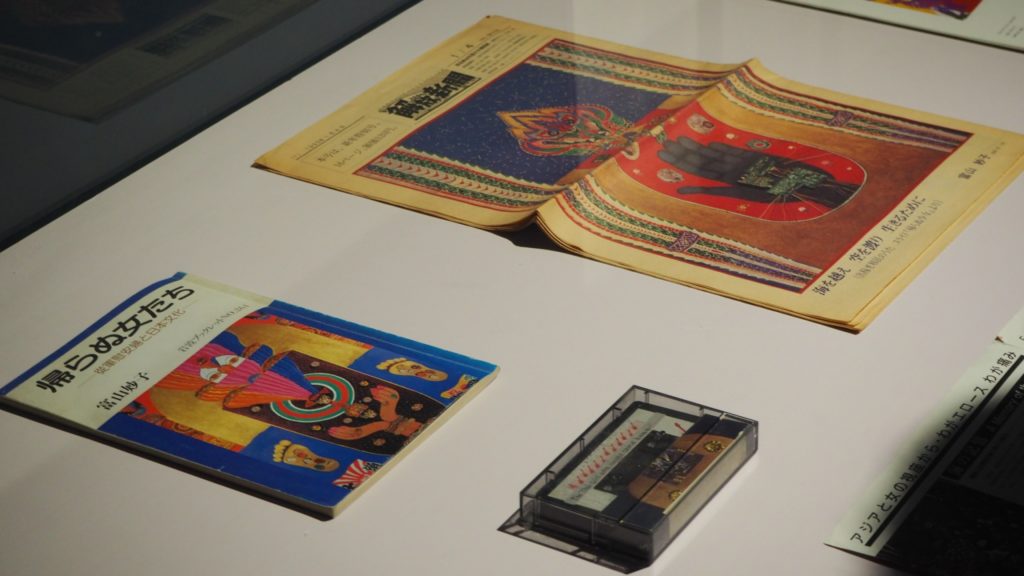
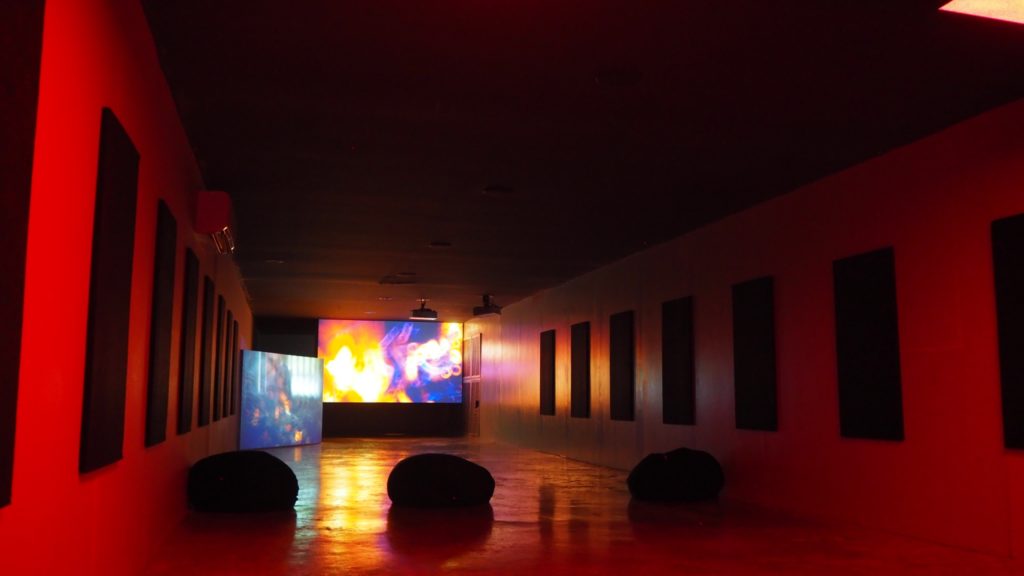
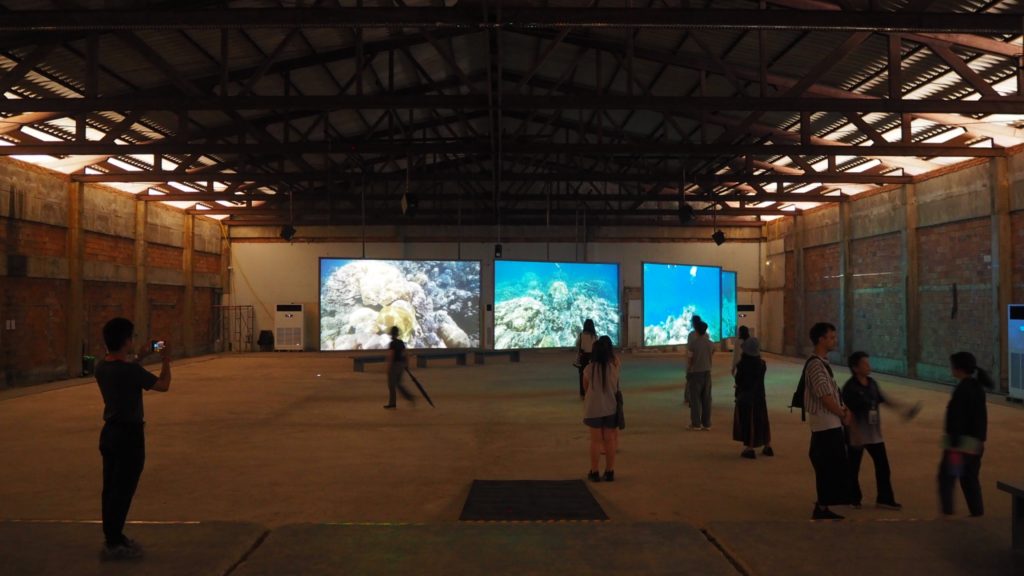
Alex Monteith, Maree Sheehan and Apiwat Thongyoun, Cherishing the Sea Forests, 2025, commissioned by Thailand Biennale 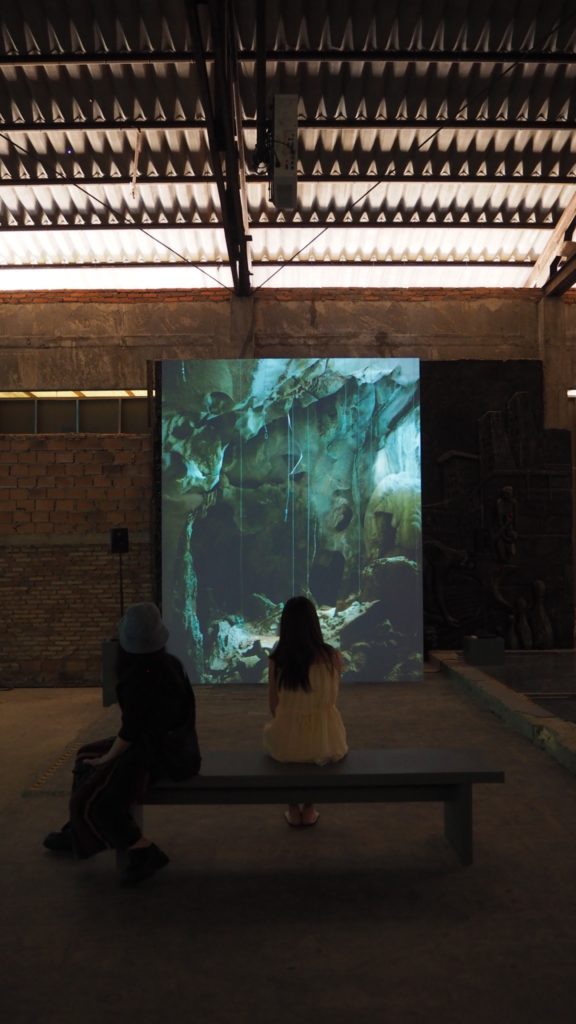
Noémie Goudal, Supra Strata, 2024, courtesy Gallery Edel Assanti 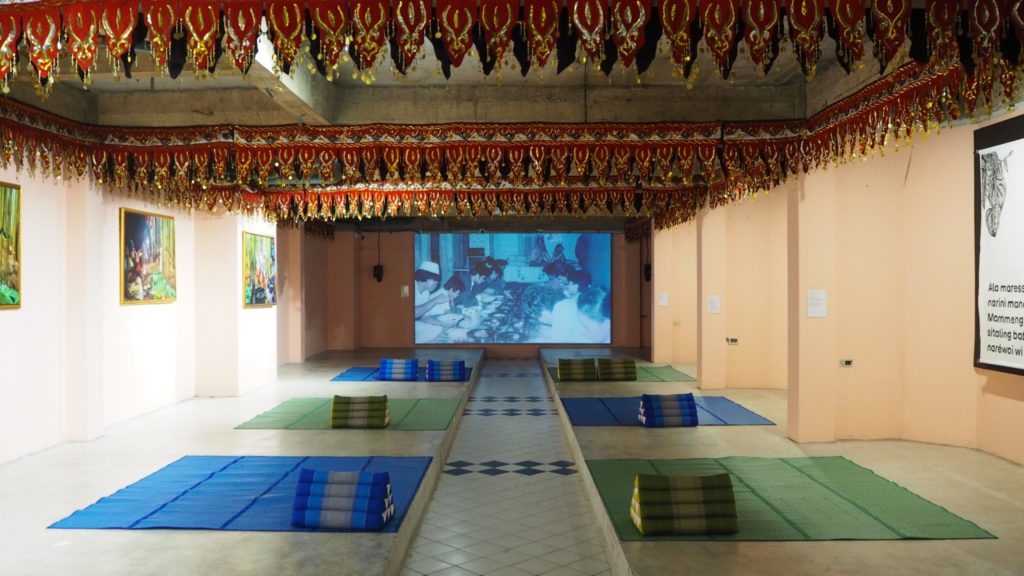
Koneksi Tamalanrea, MAPPASAU, 2025–2026, commissioned by Thailand Biennale, 
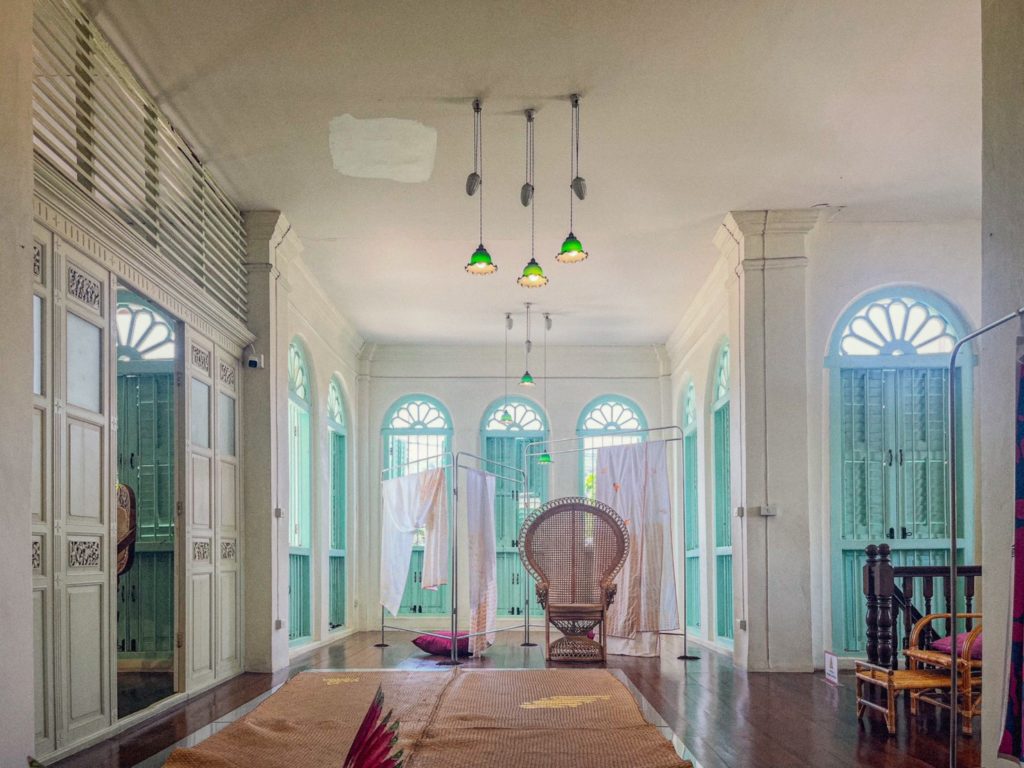
Nathalie Muchamad, The Throne and the Crown, 2025 commissioned by Thailand Biennale and Biennale Jogja With partial support from Studio Plesungan, Indonesia 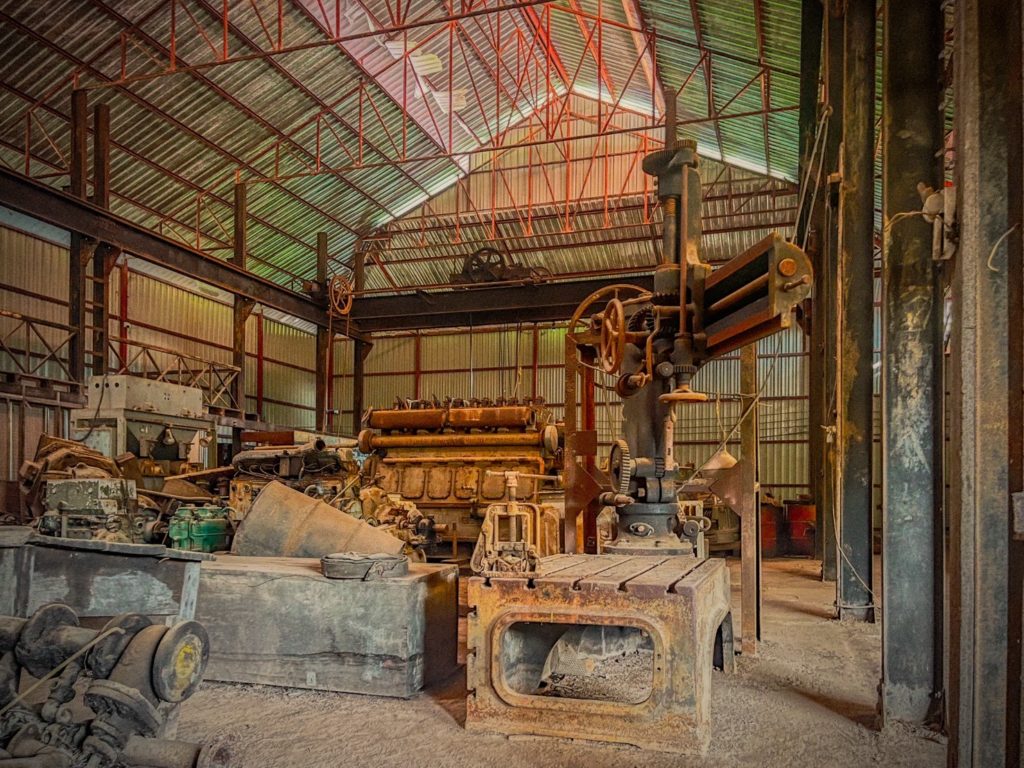
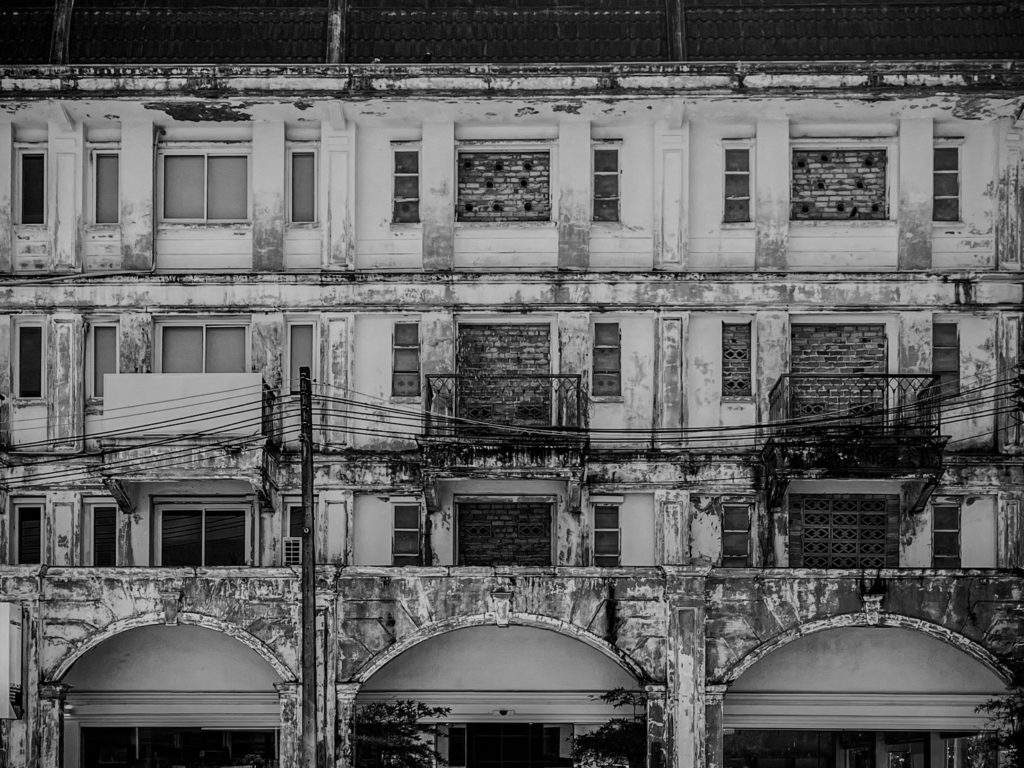
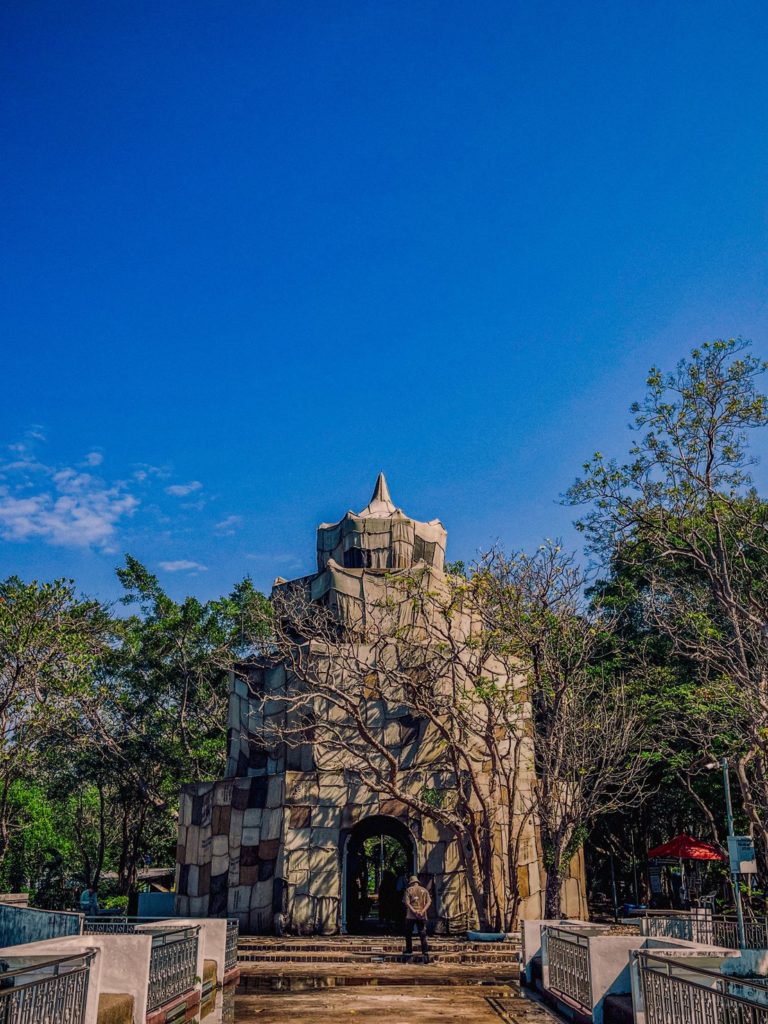
Ibrahim Mahama, Silent Memories, 2025, commissioned by Thailand Biennale 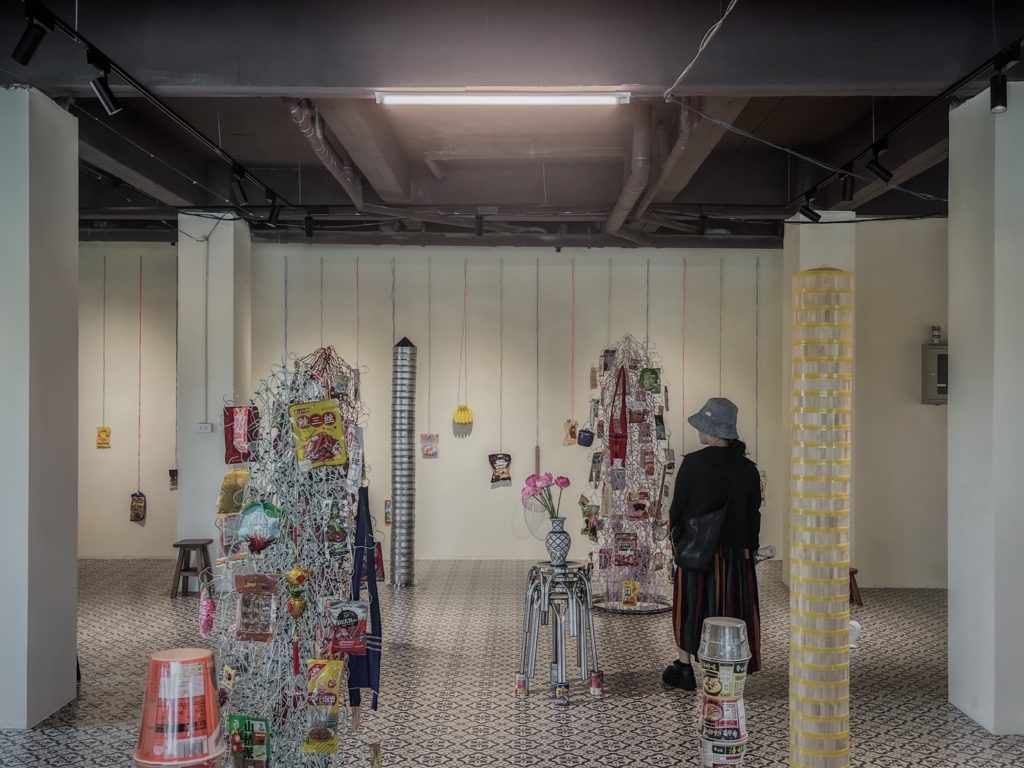
Supapong Laodheerasiri, Untitled (Phuket 2025), 2025, commissioned by Thailand Biennale 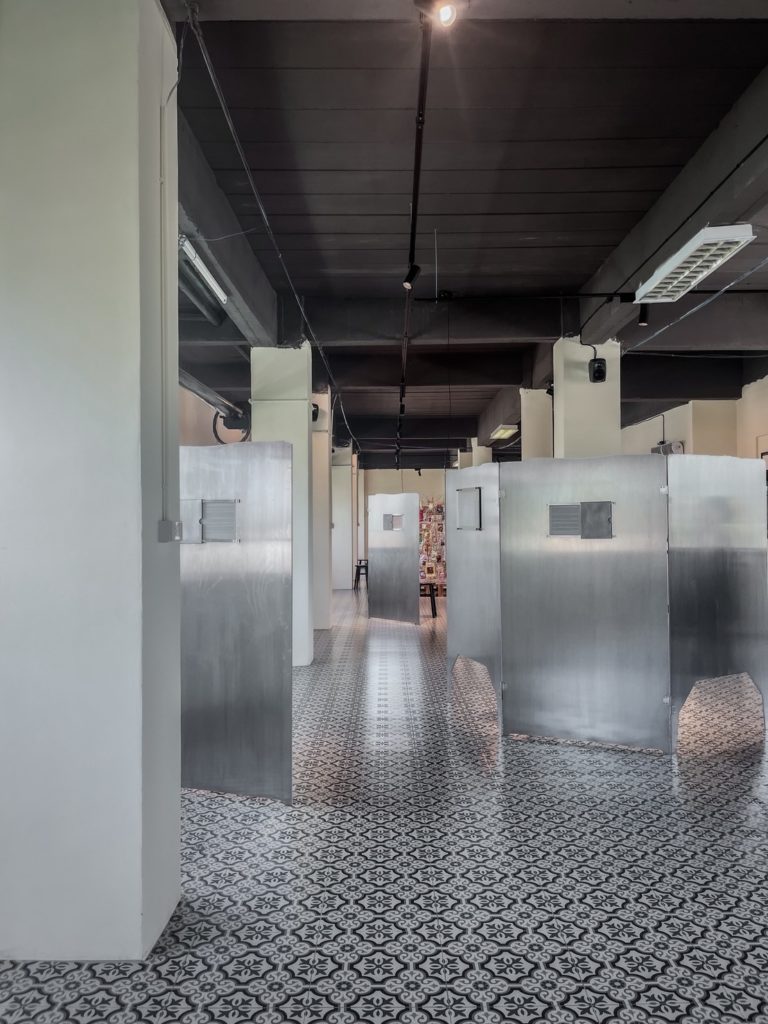
Serene Hui, Tiger’s Head, Nail’s Tail series, 2025, commissioned by Thailand Biennale 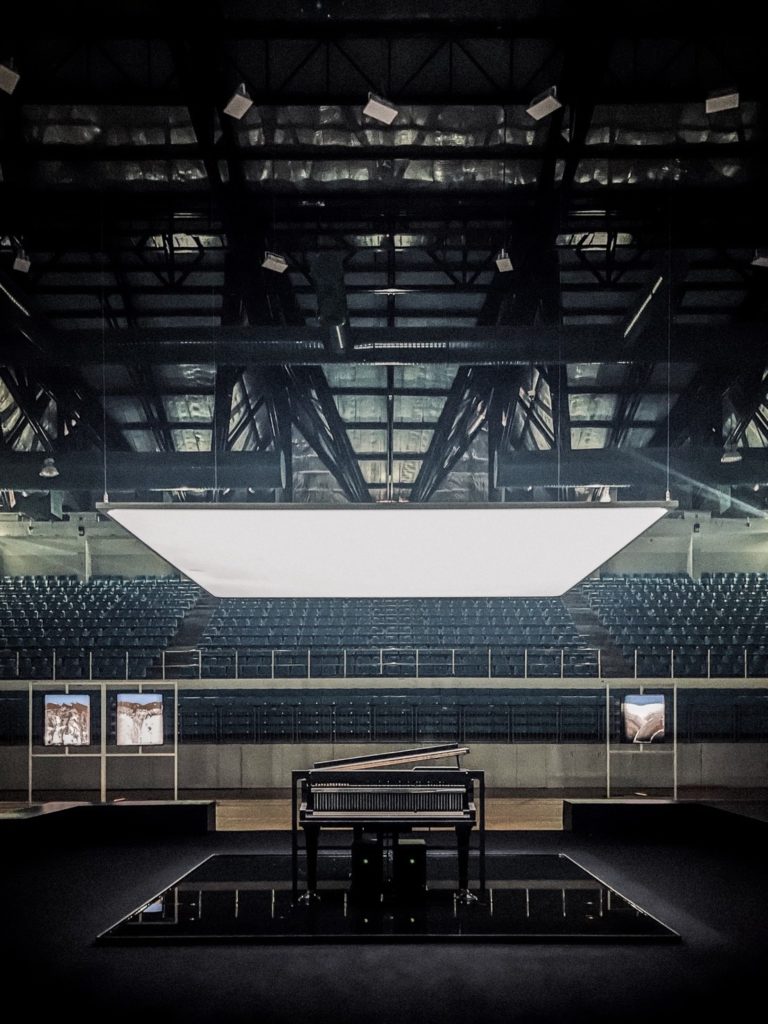
Ryuichi Sakamoto with Shiro Takatani, IS YOUR TIME, 2017/2024 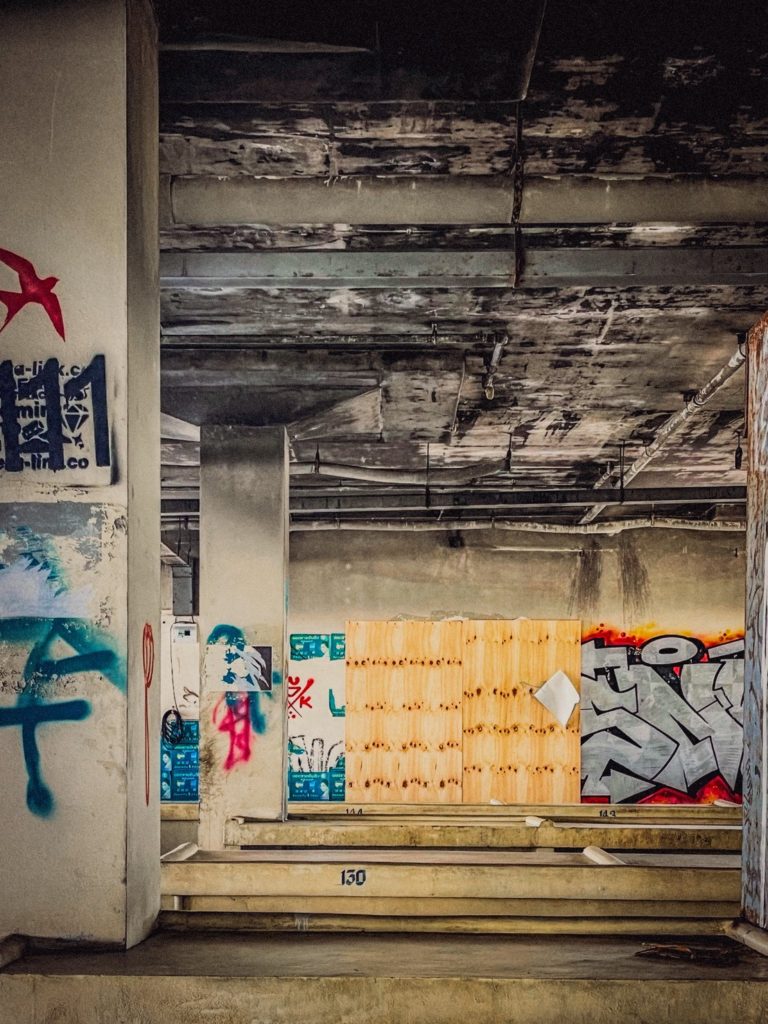
Pratchaya Phinthong, water~copy ~air~streak, 2025, commissioned by Thailand Biennale 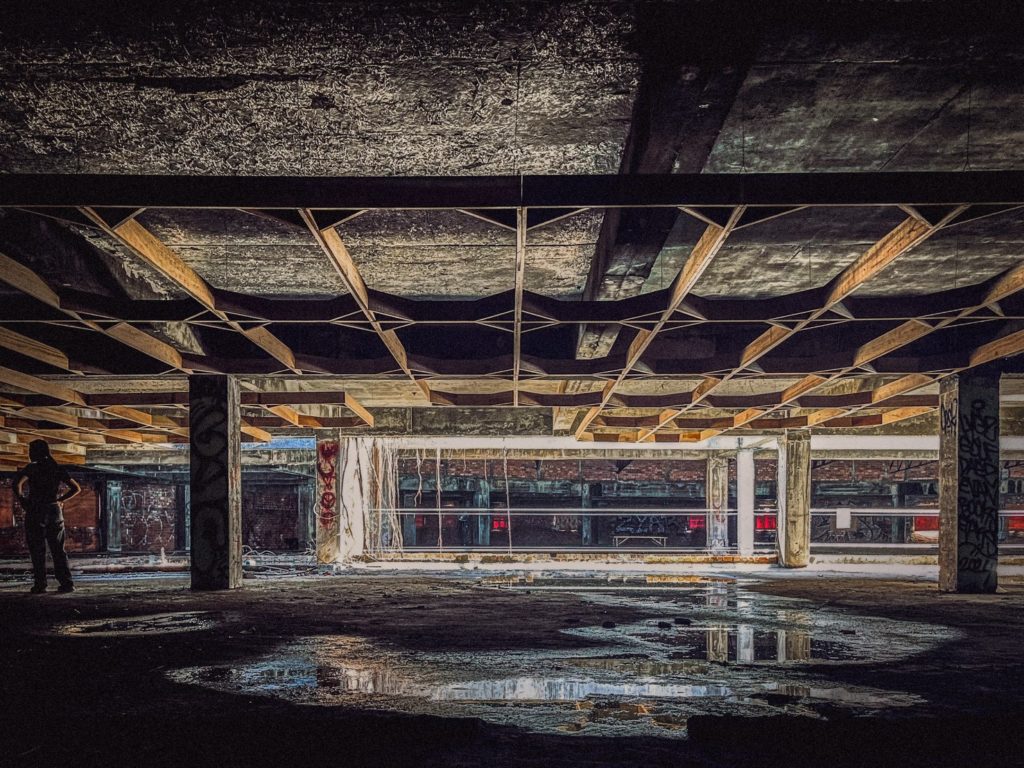
Pratchaya Phinthong, water~copy ~air~streak, 2025, commissioned by Thailand Biennale
Photos by Khin Sandi Phyu, Fan Yuxin, Chatuporn Sukprasit, Supawinee Jarungkietikul and Klawkanlayphon
Sawatmongkhonkul
After Krabi (2018), Korat (2021), and Chiang Rai (2023), the Thailand Biennial will present its fourth edition on the island of Phuket. Curated by Thai artist Arin Rungjang, alongside curators David Teh, Hera Chan, and Marisa Phandharakrajadej, this edition is titled « Eternal [Kalpa] ». Through this theme, the biennale invites reflection on continuity, history, and our relationship to ecosystems, moving away from the more immediate focus of tourist consumption.
The exhibition is located across approximately twenty sites and features the works of more than sixty artists, engaging in a dialogue with the memory and tensions of the Phuket territory. The biennale also takes shape through « Salas » (pavilions) and side projects that aim to anchor art in the daily lives of local communities and offer alternative ways of experiencing time.
Visiting the Thailand Biennale in Phuket first requires letting go of the usual markers of a tourist visitor. Under the title « Eternal [Kalpa] », the event is grounded in a reflection on “deep time”: cycles, repetitions, and a continuity that exceeds the human scale. The term « Kalpa, » derived from Hindu and Buddhist cosmology, refers to an extensive cyclical unit of time, equivalent to a « day of Brahma » or the lifespan of a universe. This initial intuition has been further developed into a curatorial framework structured around four main themes: history, understood through layers of memory and heritage; trans, as transformation and transition between states, cultures, and identities; environment, as a dynamic relationship between humans and their milieux; and love of the world, which engages forms of care, attention, and attachment. Proposed to the artists, these dimensions served as starting points, opening a space of interpretation where each practice unfolds in resonance.
The origin of the theme « Eternal [Kalpa] » also draws from the song “Chua Niran” by Suthep Wongkamhaeng. In its lyrics, love is described as an unbreakable bond, expressed through natural representation: the sun and the sky, water and fish, earth and mountains, all evoking continuity and belonging. This metaphor of an eternal, cyclical, and enduring love echoes the idea of time not as something that breaks, but as something that continuously renews itself, much like the movement of the sun observed from Phromthep Cape. It extends the curatorial reflection on cycles of life and forms of persistence.
Far from conventional sites, the biennale inhabits buildings that may appear “out of time”, though only at first glance. Here, artworks become situated within the spaces they occupy, themselves marked by traces and tensions that are sometimes difficult to express. Crossing the threshold of these sites means leaving behind “tourist time” and entering another temporality, one that challenges familiar representations of Phuket. Supported by a particularly active and commited docent team, it invites visitors to explore these less visible places and to attend to what constitutes the depth of this territory. The past of these sites enters into dialogue with highly contemporary concerns such as the fragility of ecosystems, particularly coral reefs, resilience in the face of disasters, and the preservation of cultural diversity.
Through the works themselves, the biennale produces a form of an intense attention: to the territory, to local histories, to communities, inviting us into a complex narrative and a renewed relationship with Phuket.
Access to the « Thailand Biennale Phuket 2025 Guide Book »
ACA project est une association française dédiée à la promotion de la connaissance de l’art contemporain asiatique, en particulier l’art contemporain chinois, coréen, japonais et d’Asie du sud-est. Grâce à notre réseau de bénévoles et de partenaires, nous publions régulièrement une newsletter, des actualités, des interviews, une base de données, et organisons des événements principalement en ligne et à Paris. Si vous aimez nos articles et nos actions, n’hésitez pas à nous soutenir par un don ou à nous écrire.
ACA project is a French association dedicated to the promotion of the knowledge about Asian contemporary art, in particular Chinese, Korean, Japanese and South-East Asian art. Thanks to our network of volunteers and partners, we publish a bimonthly newsletter, as well as news, interviews and database, and we organise or take part in events mostly online or in Paris, France. If you like our articles and our actions, feel free to support us by making a donation or writing to us.